 1-800-529-8255
 1-800-529-8255

 Back
Back
 Trip and Fall: $200,000 Recovered
 What to Do If You Slip and Fall in a Store Parking Lot
Every year, more than one million people visit hospital emergency rooms after they slip and fall in store parking lots...
Read More
8730 Wilshire Boulevard, California 90211 
Get Help Now

Request A free confidential case review

Case Results :
Recently Written:

Every year, more than one million people visit hospital emergency rooms after they slip and fall in store parking lots...
Read More

Leveling the playing field is the overall benefit of hiring an experienced truck accident lawyer. Insurance companies earn over $1...
Read More

California, like most other states, is an at-will employment state. Because most employers can fire most employees for a good...
Read More

Many victims panic if they cannot immediately contact their lawyers. Panic often leads to chain reaction thinking (I can’t find...
Read More

Bicycle accidents, especially in areas like Los Angeles, are on the rise. When compared with vehicle-on-vehicle accidents, bicycle-on-vehicle accidents often...
Read More
Partner with our experienced attorneys and take the first step toward justice.
Get Your Free Consultation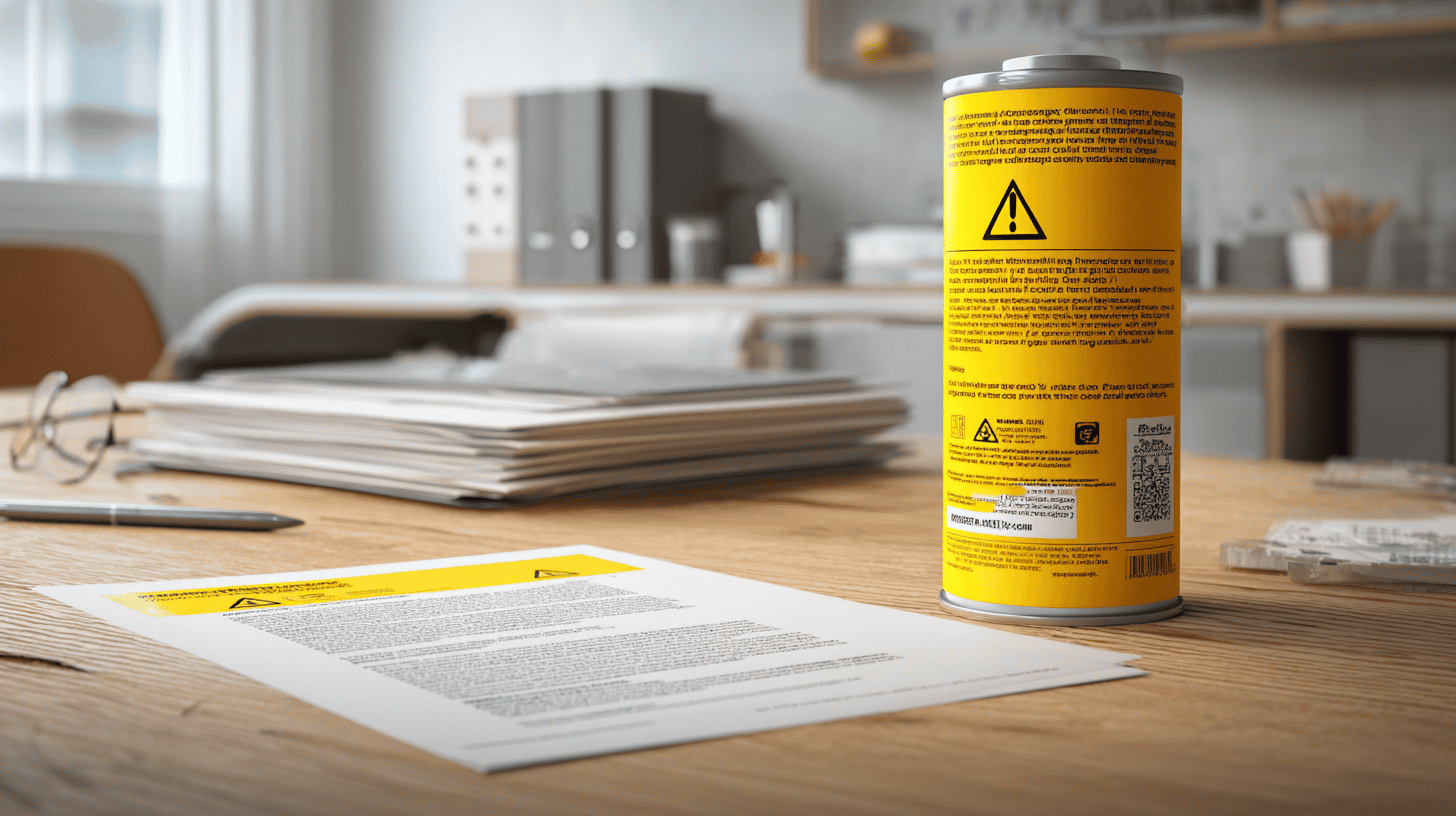
Product liability law, which is also known as strict liability law, applies when a dangerous or defective product causes injury. As outlined below, the product defect is usually a design or manufacturing defect. Also as outlined below, that defect must substantially cause injury in order for product liability law to apply.
The rationale behind product liability law is simple. A negligent driver, such as a drunk driver, may seriously injure or kill one or two people at one or two places. A negligent company that pollutes the environment may kill several people in one Zip code. A company that makes and sells a dangerous product could potentially kill millions of people all over the world.
If a defective product substantially causes injury, a product liability claims lawyer in Los Angeles can obtain compensation for economic losses, such as medical bills, and noneconomic losses, such as pain and suffering. Additional punitive damages are also usually available in these cases. Only a large punitive damages award convinces uncaring corporations to change the way they do business and put profits before people.
Baseball’s modern era began around 1900, and the modern era of product liability law also began around 1900. Before then, there was no such thing as negligence, product liability, or any other kind of injury law. Instead, the law generally required a direct contractual relationship (privity) between the injured person and the manufacturer. Since injury victims could only sue the sellers they bought from, manufacturers were pretty much immune from legal actions.
MacPherson v. Buick Motor Co. (1916) changed the game. This case rolled back the privity rule that blocked consumers from suing manufacturers, paving the way for holding makers responsible for defective products, which in this case was a Buick with a weak wheel.
The strict liability rule came much later, in Greenman v. Yuba Power Products (1963). A defective power tool seriously injured the plaintiff. The court established strict liability, holding the manufacturer responsible for injuries from defective products without the plaintiff needing to prove negligence or breach of warranty, a principle that most other states, including California, quickly adopted.
Continuing issues with metal-on-metal (MoM) hip implants illustrate the two major kinds of defective products in California:
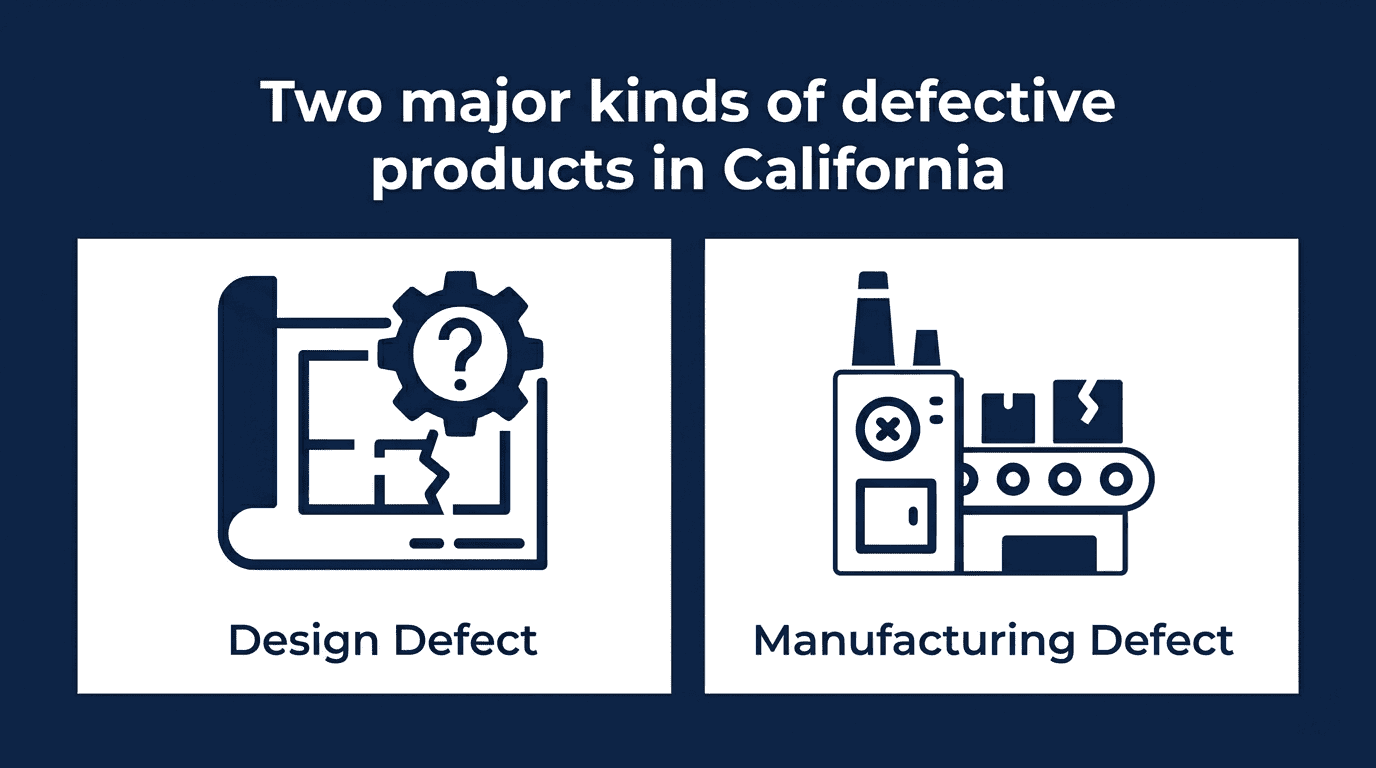
For many years, manufacturers produced plastic-on-metal (PoM) hip implants. These devices wore out in a few years. Upgraded MoM hip implants, with all-metal parts, were supposed to last forever. But the design was defective. Friction between the metal ball and cup caused metallosis, or metal poisoning. The friction caused tiny metal shavings to drift into the bloodstream.
Despite what TV commercials may imply, companies like Bioment and Zimmer are in business to make a profit. SO, they cut costs wherever possible. As part of their cost-cutting endeavors, these companies used cheap, imported parts from China and elsewhere that had high levels of dangerous heavy metals, like cadmium, mercury, and chromium.
The strict liability rule also applies to abnormally dangerous activities which are unsafe regardless of the company’s level of caution. Firearms manufacturing is an ADA.
Sometimes, product liability law and negligence law overlap. Frequently, a Los Angeles product liability claims attorney argues that the manufacturer failed to adequately warn consumers about product dangers. Negligent failure to warn matters are especially common in consumer product cases, such as dangerous drug matters.
This concept is a key element in product liability, ADA, and negligence cases. Victim/plaintiffs must prove that the product’s defect, company’s activities, or company’s negligence substantially caused the victim’s injuries.
Usually, a pre-existing condition is a contributing cause, not a substantial cause. Cigarette smoking in an asbestos exposure case is a good example.
Tobacco smoke and asbestos fibers both cause lung cancer. Asbestos exposure victims who smoke are entitled to maximum compensation if they prove cigarette smoking exacerbated their asbestos exposure illnesses, as opposed to the other way around.
The line between a substantial and contributing cause is often a thin one. Medical expert testimony darkens this line and reinforces injury claims.
A few final words on product liability and other mass tort civil procedure. Class action lawsuits are very common in these matters. Only victims who take assertive legal action get maximum compensation for their serious injuries. Usually, class action and MDL (multi-district litigation) settlements are tiered settlements.
Class A plaintiffs, who come forward quickly, take most of the risk, and do most of the heavy lifting, get most of the settlement money. Class B plaintiffs, who jump on the bandwagon relatively late in the process when a settlement seems imminent, get less money. Class C plaintiffs, who do nothing other than claim settlement money, get whatever’s left over.
The tiered settlement procedure underscores the need to step forward ASAP and partner with a Los Angeles product liability claims attorney.
Callous corporations do not care who gets hurt when they knowingly or recklessly sell dangerous products. Only the product liability claims lawyers in California at the Law Offices of Eslamboly Hakim effectively protect victims, and potential victims, from corporate greed. To get the ball rolling, contact us today for a free consultation.
We’re here to ease your stress and guide you through every step of recovery.
Get Support NowProduct liability law in California applies when a defective or dangerous product causes injury. Victims can often seek compensation without proving negligence.
It applies when a design or manufacturing defect substantially causes injury. The defect must be more than a minor or contributing factor.
Strict liability holds manufacturers responsible for defective products regardless of intent or care. Victims do not need to prove negligence or breach of warranty.
It protects the public from widespread harm caused by dangerous products. A single defective product can injure or kill people across the state and beyond.
A design defect exists when a product is inherently unsafe as designed. Even if manufactured correctly, it still poses serious risks.
A manufacturing defect occurs when a product is improperly made. Cost-cutting or low-quality materials are common causes.
These are activities considered unsafe even when proper care is used. Firearms manufacturing is one example subject to strict liability.
The defect must be a major factor in causing the injury. Pre-existing conditions are usually considered contributing, not substantial, causes.
These cases involve many injured victims and often result in tiered settlements. Individuals who act early typically receive higher compensation.
A lawyer gathers evidence, proves causation, and pursues full compensation. Legal action may also result in punitive damages against corporations.
Tag:
I like the fight – the fight to hold Big Insurance accountable, the fight to find justice for real people, and the fight to level the playing field for...Read More
