 1-800-529-8255
 1-800-529-8255

 Back
Back
 Trip and Fall: $200,000 Recovered
 Wet Floor Accident Settlement: What You Should Know
A wet floor accident can leave you with more than a painful injury. Medical bills, lost income, ongoing treatment, and...
Read More
8730 Wilshire Boulevard, California 90211 
Get Help Now

Request A free confidential case review

Case Results :
Recently Written:

A wet floor accident can leave you with more than a painful injury. Medical bills, lost income, ongoing treatment, and...
Read More

A lane-splitting accident can leave motorcycle riders with serious injuries, medical bills, lost income, and other financial losses. So, what...
Read More
A pack of dogs can cause serious injuries, leaving victims to deal with medical treatment, legal questions, and other consequences....
Read More

One of the first things our clients often say after being hit in a crosswalk is, “I had the right-of-way,...
Read More
A jackknife truck accident can happen in seconds. When a tractor-trailer suddenly loses control and its trailer swings outward, it...
Read More
Partner with our experienced attorneys and take the first step toward justice.
Get Your Free Consultation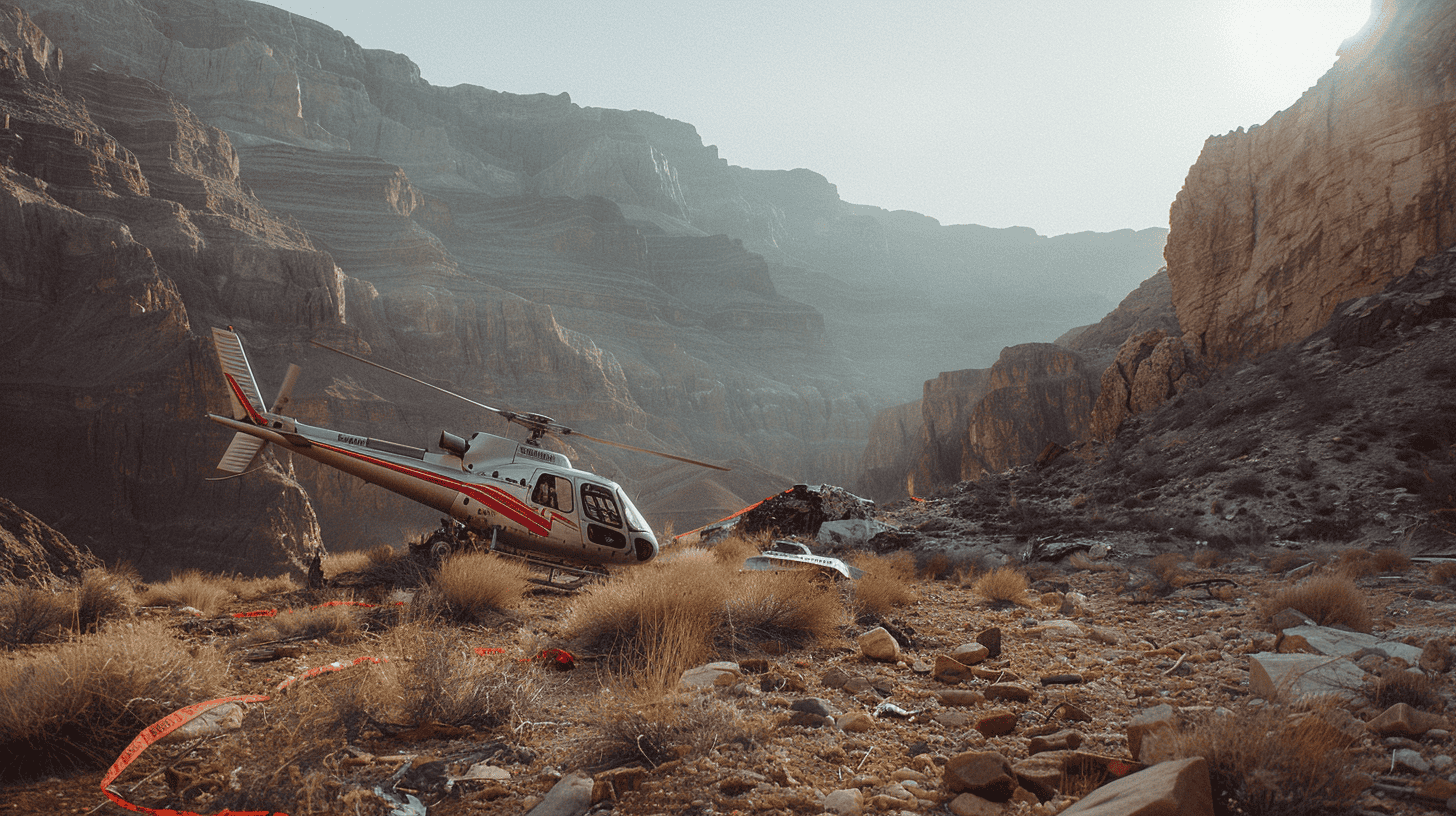
Thanks to modern safety innovations, airplane and helicopter accidents are somewhat rare. But they happen. When they happen, they usually cause catastrophic or fatal injuries that have ripple effects far beyond the crash victims themselves. In these dire situations, survivors need answers, and more importantly, they need compensation.
Authorities investigate these crashes, but frequently, these investigations are superficial. Investigators usually only examine the physical evidence immediately available at the scene and witnesses directly connected to the crash, like air traffic controllers. Additionally, these investigations focus on fault, not liability.
A Las Vegas airplane accident lawyer thoroughly investigates helicopter and airplane crashes. The legal team examines additional evidence, such as maintenance records and helicopter or airplane manufacturers. Furthermore, a Las Vegas airplane accident lawyer focuses on liability (legal responsibility for the crash), because only liable parties must pay compensation.
Before we discuss the rights that aviation accident victims have, we should discuss the rights they give up, or rather the rights they supposedly give up.
When airplane and helicopter passengers purchase tickets, these tickets usually contain liability waivers, mandatory arbitration clauses, and/or choice of law provisions. Any of these three could derail a negligence claim before it leaves the station.

Liability waivers usually aren’t enforceable in this context. A liability waiver is a take-it-or-leave-it contract of adhesion. Passengers have absolutely no negotiating power. They must accept the terms as they are. Furthermore, they cannot use the tickets they paid for unless they agree to the waiver as is.
These two factors usually make helicopter passenger, airplane passenger, and other similar liability waivers void and against public policy.
On the flip side, a choice of law provision is almost always enforceable. Technically, the signing party doesn’t surrender the right to file a negligence claim. The victim must simply agree to an inconvenient forum. Most helicopter and airplane owners are large international corporations.
Arbitration clauses are in the middle. Arbitration is essentially a private trial. Arbitration is normally fair, as long as the system is relatively transparent and the arbitrator isn’t directly or indirectly affiliated with either party.
Basically, negligence is a lack of care. Citizens and noncitizens alike usually have an absolute right to file negligence claims in the civil court of their choice. Then, the defendant may try to move it somewhere else or dismiss it, based on one of the three common waivers discussed above.
The elements of a negligence case are:
Since helicopters and airplanes are common carriers (they haul people and/or freight for money), pilots, mechanics, air traffic controllers, and other aviation workers usually have a duty of utmost care. This duty requires them to go above and beyond to avoid accidents.
Because of the higher duty of care, almost any mistake is a breach of duty. If Sam is flying a plane, gets lost in a storm, and flies into a mountain, he may not be legally responsible for the accidental crash. But if Sam had a paying passenger or freight, the higher duty of care applies and Sam probably breached that duty.
Essentially, causation is a connection between the breach and the damages. That connection must be factual and legal. Most Las Vegas airplane accident lawyers refer to factual causation as “but-for” cause (the accident wouldn’t have happened “but for” the party’s negligence). Legal cause is foreseeability (possibility) of injury.
Usually, damages in an aviation crash include compensation for economic losses, such as medical bills, and noneconomic losses, such as pain and suffering. A Las Vegas airplane accident lawyer can also obtain additional punitive damages, if there’s clear and convincing evidence that the defendant intentionally disregarded a known risk.
Usually, the company that owns the helicopter or airplane is financially responsible for damages. Under the respondeat superior rule, employers are liable for damages their employees negligently cause during the course and scope of their employment.
Most negligence claims settle out of court. They frequently settle before the defendant files a procedural motion seeking to move or cancel the case, as outlined above.
If mechanical failure caused the crash, injured tourists may pursue claims against aircraft or component manufacturers under product liability law. These cases may involve defective design, manufacturing flaws, or failure to warn.
Usually, product manufacturers are strictly liable for the damages their defective products cause. Negligence, or the lack thereof, is only relevant to the amount of damages, and specifically the amount of punitive damages, a Las Vegas airplane accident lawyer can obtain.
A few final words about the international flights that move to and from the Reid International Airport in Las Vegas.
For international commercial flights, passenger claims are typically governed by the Montreal Convention. This treaty provides strict liability for proven damages up to a set compensation threshold, meaning passengers do not have to prove fault up to that limit. Claims must usually be filed within two years.

Helicopter and airplane accident victims have important legal rights. For a free consultation with an experienced airplane accident lawyer in Las Vegas, contact the Law Offices of Eslamboly Hakim. We do not charge upfront legal fees in these matters.
We’re here to ease your stress and guide you through every step of recovery.
Get Support NowIn most cases, yes. Under Nevada law, these are often considered “contracts of adhesion,” meaning you had no power to negotiate the terms. Because public policy prioritizes passenger safety, courts frequently find these waivers unenforceable in the event of catastrophic injury or negligence. You are generally not signing away your right to hold a company responsible for a crash.
The Montreal Convention is a treaty that governs international flights. It offers a “strict liability” benefit: for proven damages up to approximately $219,500 USD (151,880 SDR), you do not have to prove the airline was at fault to receive compensation. If your damages exceed this amount, you can recover additional funds by proving the airline’s negligence.
Yes. While government investigators focus on the technical “fault” or “probable cause” of a crash, a specialized lawyer investigates legal liability. Our team looks beyond the wreckage to examine maintenance logs, manufacturer history, and corporate policies to identify every party that is financially responsible for your recovery.
Helicopter tours are classified as “Common Carriers.” Unlike a typical driver who must only be “reasonably careful,” common carriers in Nevada owe passengers the “highest duty of utmost care.” This is a much higher legal standard, meaning they are responsible for even minor mistakes that lead to an accident.
For international flights under the Montreal Convention, there is a strict two-year deadline from the date of the crash or arrival. For domestic accidents in Nevada, the statute of limitations is also generally two years. Because evidence can disappear or be destroyed, it is critical to consult a lawyer as soon as possible to preserve your rights.
Tag:
I like the fight – the fight to hold Big Insurance accountable, the fight to find justice for real people, and the fight to level the playing field for...Read More
