 1-800-529-8255
 1-800-529-8255

 Back
Back
 Trip and Fall: $200,000 Recovered
 Fireball Collision in Downtown LA
Investigators believe that alcohol intoxication was a factor in a September 14, 2025, crash that seriously injured a half-dozen motorists...
Read More
8730 Wilshire Boulevard, California 90211 
Get Help Now

Request A free confidential case review

Case Results :
Recently Written:
Investigators believe that alcohol intoxication was a factor in a September 14, 2025, crash that seriously injured a half-dozen motorists...
Read More
Mostly thanks to advancing technology, fatal airplane accidents are very rare. However, statistics don’t comfort people who lose friends or...
Read More

One reason for these delays is the difference between fault and liability. A fault admission at the scene, or even...
Read More
The actor told police that a garbage truck ran him off the road, prompting an October 2025 car crash in...
Read More
For many people, a sightseeing tour of the Nevada desert, or a skywatching trip to this remote area, is the...
Read More
Partner with our experienced attorneys and take the first step toward justice.
Get Your Free Consultation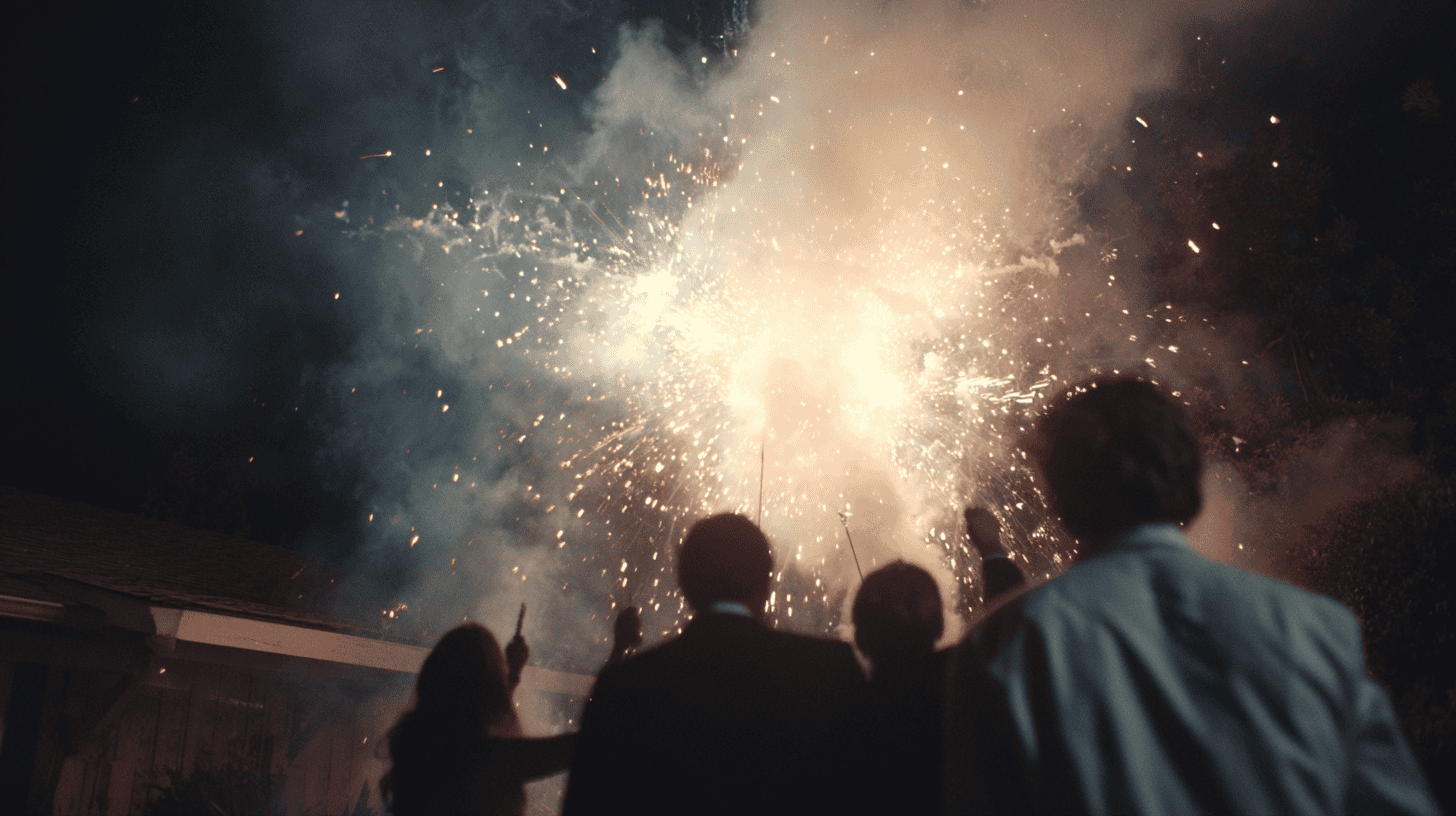
A decade ago, fireworks accidents were somewhat rare. But the figure has increased more than 50 percent since 2023. Many people avoid large, professionally-presented fireworks shows. But they still like to ring in the New Year. As a result, they quite literally take measures into their own hands. Personal safety usually isn’t a priority at these informal gatherings. As a result, people get hurt.
Severe burns are the most common fireworks accident injuries. These burns usually require extensive, and expensive, treatment at regional burn centers. Fireworks Accident Injury Attorneys in Los Angeles obtain the compensation these victims need to pay medical bills, and other accident-related expenses. This compensation also includes money for noneconomic losses, such as pain and suffering. No one should have to suffer in silence.
Most of the aforementioned injuries occur in a short time frame around Independence Day and New Years Day, when both legal and illegal fireworks are widely used. Nearly two-thirds of all reported injuries happen in the two weeks surrounding July 4th.
In addition to burns, common fireworks injuries include serious lacerations and permanent eye damage.
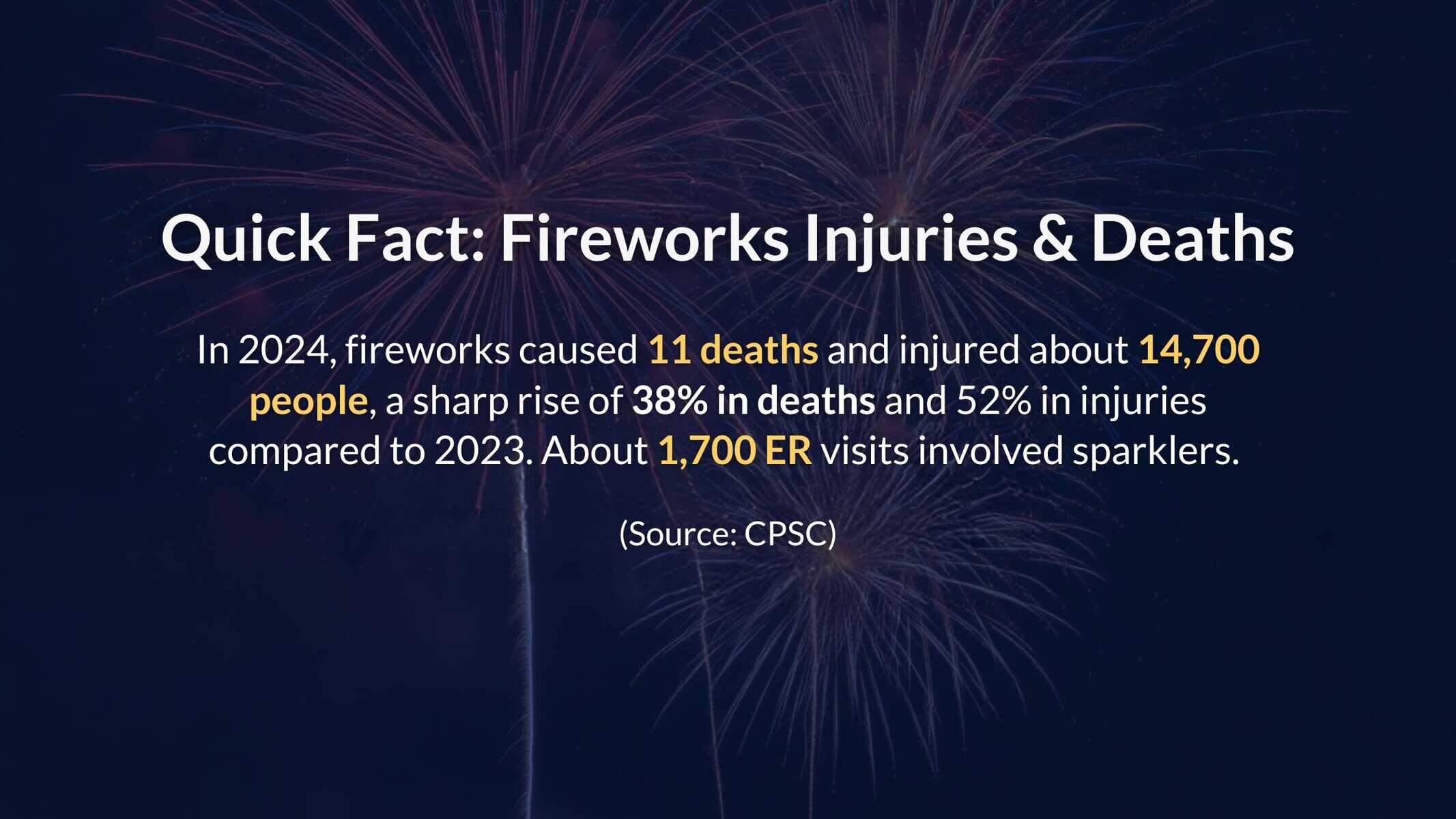
Burns account for about 40 percent of all reported cases, particularly on the hands, fingers, and face. Many fireworks use picric acid, an unstable compound that produces bright and loud explosions. Picric acid is also very shock sensitive. Any mishandling could cause it to explode.
Eye injuries are also common. Many victims suffer temporary or permanent vision loss due to debris or explosions occurring at close range. Children and teenagers are especially vulnerable. Sparklers, which are often considered “safe” for children, are a good example. Sparklers burn brightly and at temperatures exceeding 1,200 degrees. That’s hot enough to cause severe burns instantly, including retinal burns if the child looks at the sparkler too long.
Most fatal incidents involve improper handling, such as lighting multiple devices at once, leaning over fireworks after lighting them, or attempting to relight duds. Alcohol consumption is another contributing factor. Alcohol impairs judgment and increases risk-taking behavior during celebrations.
In addition to personal injuries, fireworks cause thousands of fires and property damage incidents annually. The National Fire Protection Association (NFPA) estimates that fireworks start more than 19,000 fires each year in the United States, including structure fires, vehicle fires, and wildfires. These blazes cause tens of millions of dollars in property losses while endangering both human and animal lives. Dry summer conditions, especially in western states, make fireworks a major cause of wildfires during holiday weekends.
Because of the high risk, many localities, especially in drought and fire-prone locations like SoCal, have doubled down on fireworks safety campaigns.
Officials stress that individuals should only use fireworks in open areas, keep water nearby, and never allow young children to handle them. Some cities have replaced fireworks shows with drone light shows or laser displays, which eliminate fire and explosion risks altogether.
To obtain compensation for these common fireworks injuries, a Los Angeles personal injury lawyer uses either the ordinary negligence doctrine or the negligence per se rule.
Ordinary negligence is basically a lack of care. This legal principle is based on the moral principle in the story of the Good Samaritan. Just like this man went out of his way to help an injured traveler, fireworks presenters must go out of their way to avoid injuries.
A presenter could be negligent before, during, or after a fireworks show. Pre-show negligence usually includes selecting a dangerous place for the display, such as a dry or remote area. During the show, the combination of excitement, accessibility, and lack of caution often leads to serious injuries. After the show, or more properly after an injury, many people don’t immediately call 9-1-1, especially if the fireworks display was illegal.
Speaking of illegal fireworks, the negligence per se rule often applies in these situations. Tortfeasors (negligent actors) are liable for damages as a matter of law if they violate safety laws and those violations substantially cause injuries.
Comparative fault, mostly involving alcohol use as mentioned above, may be the most common insurance company defense in these matters. Essentially, comparative fault shifts blame for a fireworks accident from the dangerous fireworks to the drunken fireworks presenter.
If an accident has more than one cause, such as dangerous fireworks and operator impairment, the jury must divide responsibility on a percentage basis (e.g. 50-50) between the two parties. California is a pure comparative fault state. Even if the fireworks handler was only 1 percent responsible for the injury, the victim receives a proportionate share of damages.
In California, fireworks-related injuries remain a serious concern during celebrations, particularly due to illegal aerial fireworks, unsafe handling, and close-range exposure. While the Fourth of July still records the highest number of fireworks injuries nationwide, New Year’s Eve consistently accounts for about 6% to 10% of annual fireworks-related injuries, many of which are severe and life-altering.
Immediate Steps Following a Fireworks Accident in California!
Your health comes first. Call 911 or go to the nearest emergency room immediately, especially if the injury appears serious. Even injuries that seem “minor” can worsen or involve internal damage, so getting evaluated by a medical professional is crucial.
If it is safe to do so, take photos or videos of the area where the accident happened, the fireworks involved, the surroundings, and any visible injuries. This helps create a clear record of what actually happened.
Do not throw away damaged fireworks, packaging, debris, clothing, or anything related to the incident. These items may help determine whether negligence, a defect, or illegal fireworks were involved and can be critical in a legal claim.
Collect details like names, phone numbers, and statements from witnesses. Note who set off the fireworks, where they were obtained, and whether alcohol or illegal fireworks were involved. The more information you have, the stronger your case can be.
Report the incident to local authorities, event organizers, or property owners, depending on where the accident occurred. An official report helps document responsibility and supports your case.
After medical care, speak with an experienced fireworks injury lawyer. An attorney can help protect your rights, deal with insurance companies, investigate fault, and help you pursue compensation for medical bills, pain, and other losses.
California continues to see rising fireworks injuries caused by defective fireworks, illegal use, negligent handling, unsafe supervision, and alcohol-related incidents. If you or your child was injured, medical bills, lost income, pain, emotional trauma, and long-term treatment can quickly become overwhelming.
A Los Angeles fireworks injury lawyer can help investigate what happened, determine who is legally responsible, preserve evidence, deal with insurance companies, and pursue compensation for medical expenses, pain and suffering, and other damages.
After you’ve gotten medical care, speak with an experienced California personal injury attorney to understand your rights and protect your claim. You shouldn’t have to face the aftermath alone, especially when the injury wasn’t your fault.
Common fireworks accidents often cause serious injuries. For a free consultation with an experienced personal injury lawyer in California, contact the Law Offices of Eslamboly Hakim. We do not charge upfront legal fees in these matters.
We’re here to ease your stress and guide you through every step of recovery.
Get Support NowYes. Celebrations consistently account for a noticeable percentage of annual fireworks injuries in California, often involving illegal fireworks, backyard displays, and close-range incidents.
A fireworks accident lawyer helps injured victims recover compensation for medical bills, lost income, pain and suffering, and other damages, while handling insurance issues and liability investigations.
Yes. Even if the fireworks were illegal, you may still be entitled to compensation under California negligence and safety laws.
Liability can fall on the person who lit the fireworks, a negligent host, event organizer, property owner, or even a manufacturer if a defective device caused the injury.
Common injuries include severe burns, hand and finger injuries, eye damage, facial injuries, lacerations, and in serious cases, permanent scarring or disability.
It can. Alcohol may reduce compensation under California’s comparative fault rules, but it usually does not eliminate your right to recover damages.
Parents may file a claim on behalf of an injured child, especially if illegal fireworks, unsafe supervision, or negligence was involved.
Most victims have two years from the date of injury to file a personal injury lawsuit, though exceptions may apply.
Yes. California follows pure comparative fault, meaning you may still recover compensation even if you share some responsibility.
Most fireworks injury lawyers like the Law Offices of Eslamboly Hakim offer free consultations and work on a contingency fee basis, meaning you pay nothing unless your case is won.
Tag:
I like the fight – the fight to hold Big Insurance accountable, the fight to find justice for real people, and the fight to level the playing field for...Read More
