 1-800-529-8255
 1-800-529-8255

 Back
Back
 Trip and Fall: $200,000 Recovered
 What Causes Jackknife Truck Accidents in California?
A jackknife truck accident can happen in seconds. When a tractor-trailer suddenly loses control and its trailer swings outward, it...
Read More
8730 Wilshire Boulevard, California 90211 
Get Help Now

Request A free confidential case review

Case Results :
Recently Written:
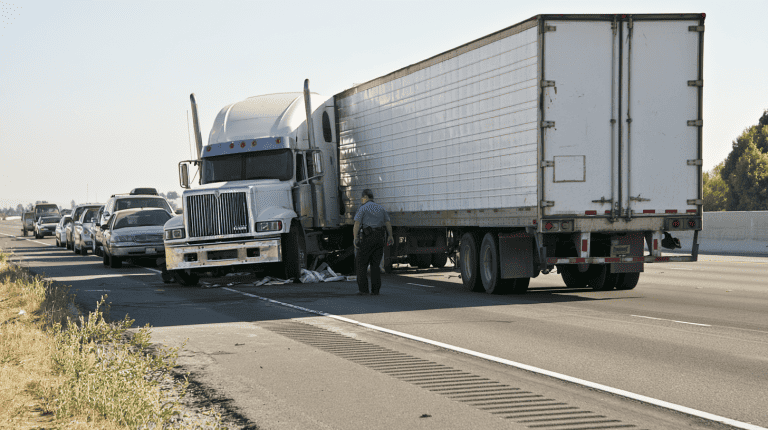
A jackknife truck accident can happen in seconds. When a tractor-trailer suddenly loses control and its trailer swings outward, it...
Read More
After losing a loved one in a fatal accident, families often face difficult questions about medical bills, funeral expenses, lost...
Read More

Rear-end collisions are among the most common types of car accidents in California. They can happen when a driver follows...
Read More
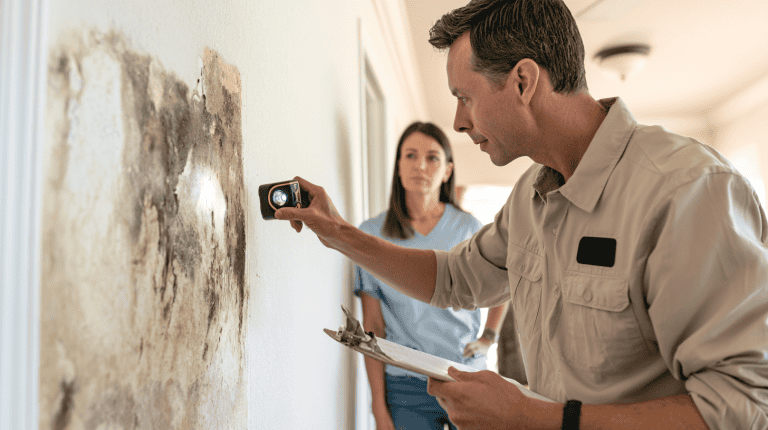
Whether homeowners insurance covers mold remediation in California depends largely on what caused the mold and what your policy covers....
Read More

Premises liability refers to the legal responsibility property owners have to maintain safe conditions and protect visitors from preventable injuries....
Read More
Partner with our experienced attorneys and take the first step toward justice.
Get Your Free Consultation
One of the first things our clients often say after being hit in a crosswalk is, “I had the right-of-way, so this should be simple.” It’s an understandable belief. You were exactly where the law says you should be, and a driver hit you anyway.
But in our years of representing injured pedestrians across Southern California, we’ve learned that a crosswalk accident settlement is rarely as automatic as it seems. California law gives pedestrians strong protections, but the insurance company on the other side will still look for every reason to pay less, or nothing at all. Having the right-of-way is a powerful starting point. It isn’t the finish line. As a Los Angeles pedestrian accident lawyer can tell you, winning these cases still means proving the driver was negligent and pushing back when the insurer tries to shift the blame onto you.
In a crosswalk, yes. California Vehicle Code § 21950 requires drivers to yield to pedestrians in any marked crosswalk, whether it’s at an intersection or in the middle of a block. The same rule covers unmarked crosswalks at intersections, and many people don’t realize these exist at most intersections even where no lines are painted. Drivers approaching a crosswalk must use due care, which includes slowing down when a pedestrian may be crossing.
What insurance adjusters like to point out is the other half of that statute. The law also says pedestrians must use reasonable care for their own safety, and no one may suddenly step off a curb into the path of a car that is too close to stop. That provision is where many crosswalk claims become contested. The right-of-way helps you enormously, but it doesn’t end the conversation.
A pedestrian claim succeeds when the evidence shows the driver’s carelessness caused the crash. In the cases we handle, that usually means a driver who was speeding, looking at a phone, rolling through a stop, or making a turn without checking the crosswalk. The legal standard is that the driver was more likely than not at fault. Meeting that standard depends on evidence, and evidence disappears quickly.
That’s why we move fast to secure traffic-camera and dashcam footage, photos of the scene, witness statements, the police report, and the damage patterns on the vehicle, and we pair them with your medical records. Together, these tell the story of what happened in a way an insurance company can’t easily dismiss.
The value of a crosswalk accident settlement comes down to several things: how serious and lasting your injuries are, what your medical care has cost and will cost, the income you’ve lost or will lose, and the pain and emotional toll the accident has caused. How clearly the evidence shows the driver’s fault matters, and so does any share of the blame the insurer tries to put on you.
Insurance coverage is often the deciding factor. A driver with a minimal policy can limit what’s available, so we look past the driver to anyone else who may be responsible. If the driver was on the job, their employer may be liable. If they were driving someone else’s car, the owner may share responsibility. And if the at-fault driver had no insurance at all, your own policy may still protect you through uninsured motorist claims. That approach is how our firm has recovered $1,000,000 in a pedestrian accident case and the full policy limits for a pedestrian hit by a car.
Expect the insurer to argue that you share the blame, even in a crosswalk. California’s civil jury instructions recognize that drivers and pedestrians both owe a duty of care, and our courts have described a pedestrian’s right-of-way as preferential, not absolute.
California follows a pure comparative negligence rule. If a jury found you 20% responsible, your compensation would be reduced by 20%, but you could still recover the rest. Because every percentage point translates directly into dollars, we fight hard against inflated fault claims. You can read more about what happens if you were partially at fault.
Many people assume that crossing mid-block ends any chance of compensation. It doesn’t.
Since January 1, 2023, California’s Freedom to Walk Act (AB 2147) has limited when police can ticket pedestrians for crossing outside a crosswalk, allowing it only when there’s an immediate danger of a collision. Pedestrians outside a crosswalk are still expected to yield to traffic, so these cases turn on the specific facts. Was the driver speeding or distracted? Did they have time to see you and stop? Was the street poorly lit or badly designed?
Without the crosswalk rule on your side, those details carry much more weight, and a careful investigation becomes even more important. For the other side of the question, see what happens if a driver hits a pedestrian who was at fault.
Los Angeles is one of the most dangerous places in the country to be a pedestrian. Busy corridors like Hollywood Boulevard, Wilshire Boulevard, Downtown LA, and Koreatown combine heavy foot traffic with fast, distracted driving. Many of the crosswalk cases we see involve drivers turning right on red or rushing a left turn without looking for people in the crosswalk.
The City of Los Angeles has made pedestrian safety a priority through its Vision Zero program, adding high-visibility crosswalks, longer walk signals, and flashing beacons at dangerous crossings. Serious crosswalk injuries still happen every day, and so do disputes with insurers over who was at fault.
Our office is on Wilshire Boulevard in Beverly Hills, and we represent injured pedestrians throughout Los Angeles, Orange County, Riverside, San Bernardino and San Diego County.
What you do in the days after an accident can strengthen your case or quietly weaken it. Get medical care right away, even if you feel fine, because some injuries don’t show up for days and a gap in treatment is something insurers love to exploit. If you can, keep photos of the scene and your injuries, hold on to every medical bill, and save the names of anyone who saw what happened.
Be cautious with insurance companies. You should report the accident to your own insurer as your policy requires, but don’t give recorded statements, don’t discuss who was at fault, and don’t accept any offer before speaking with a lawyer. These are some of the most common insurance claim mistakes we see.
Timing matters too. In California, you generally have two years to file a personal injury lawsuit, but if a city or county may be responsible, for example because of a broken signal or a dangerously designed crosswalk, you may have only six months to file a government claim. If you’re wondering what to expect after that, here’s how long it takes to settle a pedestrian accident claim.
A crosswalk accident settlement can cover your medical bills, lost income, and the pain you’ve been through, but insurance companies won’t hand it over without a fight. At the Law Offices of Eslamboly Hakim, we’ve recovered over $100 million for injured clients across Southern California, and you pay no fees unless we win.
Every day you wait, evidence like camera footage can be lost. Call 1-800-529-8255 or request your free consultation with our Los Angeles personal injury law firm. The sooner you reach out, the sooner we start fighting for you.
We’re here to ease your stress and guide you through every step of recovery.
Get Support NowNo. A crosswalk accident settlement isn’t automatic. You must show the driver was negligent, and your compensation may be reduced if you were partly at fault.
Usually the driver, if they sped, were distracted, failed to yield, or failed to stop. A pedestrian can share fault if they suddenly stepped into traffic or acted carelessly.
Yes. Under California’s comparative fault rule, your compensation is reduced by your percentage of fault, but you can still recover.
Possibly. Crossing outside a crosswalk doesn’t automatically end your claim. What the driver did, and whether they could have avoided you, still matters.
Generally two years from the accident. Claims against a government agency usually must be filed within six months.
Get medical care, photograph the scene, save your medical records, collect witness information, and let your attorney handle the insurance companies.
Tag:
I like the fight – the fight to hold Big Insurance accountable, the fight to find justice for real people, and the fight to level the playing field for...Read More
