 1-800-529-8255
 1-800-529-8255

 Back
Back
 Trip and Fall: $200,000 Recovered
 What Causes Jackknife Truck Accidents in California?
A jackknife truck accident can happen in seconds. When a tractor-trailer suddenly loses control and its trailer swings outward, it...
Read More
8730 Wilshire Boulevard, California 90211 
Get Help Now

Request A free confidential case review

Case Results :
Recently Written:
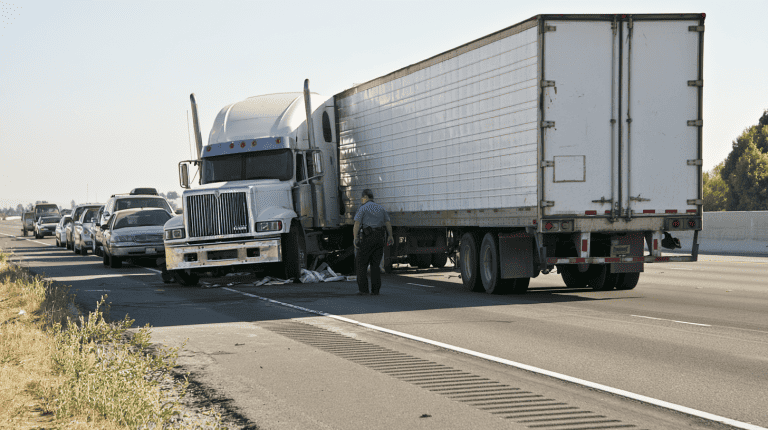
A jackknife truck accident can happen in seconds. When a tractor-trailer suddenly loses control and its trailer swings outward, it...
Read More

After losing a loved one in a fatal accident, families often face difficult questions about medical bills, funeral expenses, lost...
Read More

Rear-end collisions are among the most common types of car accidents in California. They can happen when a driver follows...
Read More

Whether homeowners insurance covers mold remediation in California depends largely on what caused the mold and what your policy covers....
Read More

Premises liability refers to the legal responsibility property owners have to maintain safe conditions and protect visitors from preventable injuries....
Read More
Partner with our experienced attorneys and take the first step toward justice.
Get Your Free Consultation
If your landlord’s negligence caused you to get hurt, you may be able to sue for damages, including compensation for pain and suffering. California landlords generally have a duty to maintain reasonably safe rental properties and address dangerous conditions they know about or should have known about.
Unsafe living conditions such as broken stairs, slippery floors, faulty handrails, inadequate security, mold, or structural defects can cause serious injuries. If you were injured because your landlord failed to address a dangerous condition, you may have a personal injury claim. A California tenant injury landlord liability lawyer can help you understand your legal options.
To sue a landlord for pain and suffering in California, you generally need to show that the landlord owed you a duty of care, failed to reasonably address a dangerous condition, and that the condition caused your injury and resulting damages. Evidence from the property, your medical treatment, and communications with the landlord may help establish your claim.

California landlords generally have a duty to maintain rental properties in a reasonably safe condition and address dangerous conditions they know about or should reasonably have discovered. This responsibility may apply to areas under the landlord’s control, including common areas such as hallways, stairways, parking areas, and walkways.
Whether a landlord can be held liable for a tenant’s injury depends on the circumstances. Factors may include whether the landlord knew or should have known about the dangerous condition, how long the condition existed, whether the landlord had a reasonable opportunity to address it, and whether the condition caused the injury.
For example, a landlord may face liability when a known hazard, such as a broken stair or defective handrail, remains unrepaired and a tenant is injured as a result. The specific facts and available evidence will determine whether the landlord breached a duty of care.
To sue a landlord for an injury caused by unsafe living conditions, you generally need to prove that the landlord was legally responsible for the condition and that the condition caused your injury. This usually involves showing that the landlord owed you a duty of care, knew or should have known about the dangerous condition, failed to take reasonable steps to address it, and that the condition caused your injuries and damages.
Common examples of landlord negligence include:
Evidence can be important when proving landlord negligence. Photos or videos of the dangerous condition, medical records, repair requests, emails or messages with the landlord, maintenance records, accident reports, and witness information may help establish what happened and whether the landlord knew about the hazard.
The specific facts and evidence in your case will determine whether the landlord can be held liable for your injuries and whether you may recover damages.
Evidence can help establish what happened, whether the landlord knew or should have known about the dangerous condition, and how the injury affected you. Depending on the circumstances, useful evidence may include:
Preserving evidence as soon as possible can be important because dangerous conditions may be repaired or changed after an accident. An attorney can review the available evidence and help determine whether it supports a landlord liability claim.
Yes, you may be able to recover compensation for pain and suffering if your landlord’s negligence caused your injury. Pain and suffering are generally considered non-economic damages and may compensate you for the physical pain, emotional distress, and effects on your quality of life caused by an injury.
The amount of pain and suffering damages can vary significantly from case to case. Factors that may affect the value of a claim include the severity of your injury, the length of your recovery, whether you suffered a permanent impairment, the medical treatment you required, and how the injury affected your daily activities.
The severity of your injury, length of recovery, medical treatment, and impact on your daily life may all affect the amount of pain and suffering damages available in your claim.
Also read: Can You Sue for Punitive Damages in a Product Liability Case?
You may be able to sue your landlord if unsafe living conditions caused you to suffer an injury or illness. Landlords generally have a responsibility to address dangerous conditions they know about or reasonably should have known about, particularly when the condition creates a foreseeable risk of harm.
Examples of unsafe living conditions that may contribute to a landlord liability claim include:
However, the existence of an unsafe condition does not automatically make a landlord liable. The circumstances of the property, the landlord’s knowledge of the condition, the steps taken to address it, and the connection between the condition and your injury can all affect a claim.
If an unsafe condition caused your injury, whether the landlord knew or should have known about it can be important in determining liability.
If you were injured because of unsafe living conditions or another dangerous property condition, pursuing a claim generally involves several steps:
Damages in a landlord injury claim may include medical expenses, lost income, future medical costs, pain and suffering, and other losses allowed under California law. The compensation available depends on the circumstances of your injury, the evidence supporting your claim, and the extent of your damages.
There is no fixed amount that every tenant can recover from a landlord injury claim. The value of a case depends on the severity of the injury, the strength of the evidence, and how the injury affects your life.
Depending on the circumstances, compensation may include:
The amount of compensation cannot be determined from the type of accident alone. The severity and duration of your injuries, medical evidence, effect on your daily activities, and evidence of landlord negligence can all affect the potential value of a claim.
If you were injured because of unsafe living conditions or landlord negligence, you may have a claim for compensation for your medical expenses, lost income, pain and suffering, and other damages. The Law Offices of Eslamboly Hakim can investigate your claim, help determine whether your landlord may be liable, and pursue the compensation available under California law. You can also learn more about your options with a Los Angeles personal injury lawyer.
No Recovery. No Fees. Contact us for a free consultation. Virtual consultations, home visits, and hospital visits are available.
We’re here to ease your stress and guide you through every step of recovery.
Get Support NowYes. If your landlord’s negligence caused your injury, you may be able to pursue compensation for pain and suffering and other damages. You generally need evidence showing that the landlord’s failure to reasonably address a dangerous condition contributed to your injury.
You may be able to sue if unsafe living conditions caused an injury or illness and the landlord can be held legally responsible for the condition. The specific facts, the landlord’s knowledge of the hazard, and the evidence available can affect your claim.
You generally need to establish that the landlord owed you a duty of care, knew or should have known about a dangerous condition, failed to take reasonable steps to address it, and that the condition caused your injury and damages.
There is no predetermined amount. The potential compensation depends on factors such as the severity of your injury, medical expenses, lost income, pain and suffering, emotional distress, future losses, and the evidence supporting your claim.
Depending on the circumstances, an injury caused by landlord negligence may support a claim for emotional distress. The nature of the injury, its effects on your life, and the evidence available can affect whether such damages may be recoverable.
The deadline for a California personal injury lawsuit is generally two years from the date of the injury. However, exceptions and different deadlines may apply depending on the circumstances, so it is important to evaluate your claim promptly.
You are not required to hire a lawyer, but a tenant injury lawyer can help investigate the dangerous condition, preserve evidence, determine whether the landlord may be liable, communicate with insurers, and pursue available compensation.
Tag:
I like the fight – the fight to hold Big Insurance accountable, the fight to find justice for real people, and the fight to level the playing field for...Read More
