 1-800-529-8255
 1-800-529-8255

 Back
Back
 Trip and Fall: $200,000 Recovered
 What Compensation Can You Get After a Lane-Splitting Accident?
A lane-splitting accident can leave motorcycle riders with serious injuries, medical bills, lost income, and other financial losses. So, what...
Read More
8730 Wilshire Boulevard, California 90211 
Get Help Now

Request A free confidential case review
Case Results :
Recently Written:

A lane-splitting accident can leave motorcycle riders with serious injuries, medical bills, lost income, and other financial losses. So, what...
Read More
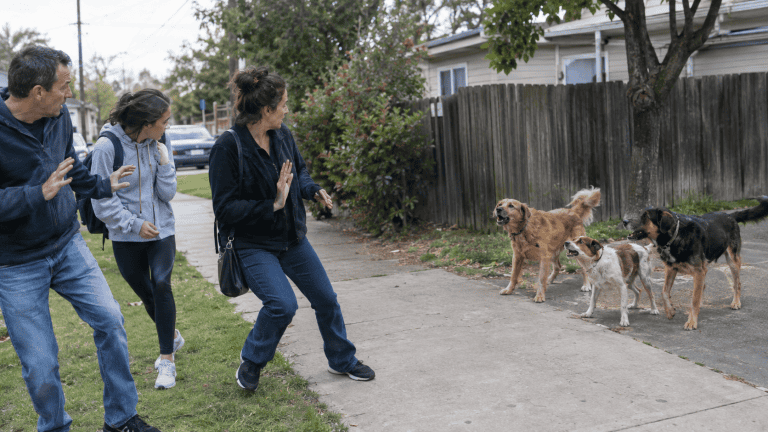
A pack of dogs can cause serious injuries, leaving victims to deal with medical treatment, legal questions, and other consequences....
Read More

One of the first things our clients often say after being hit in a crosswalk is, “I had the right-of-way,...
Read More
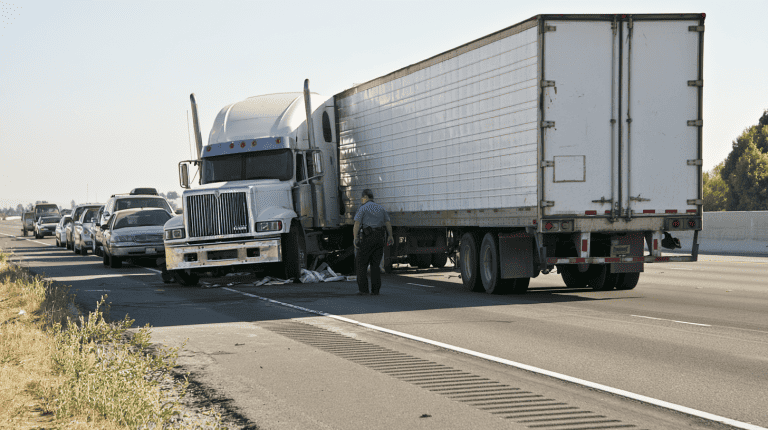
A jackknife truck accident can happen in seconds. When a tractor-trailer suddenly loses control and its trailer swings outward, it...
Read More

After losing a loved one in a fatal accident, families often face difficult questions about medical bills, funeral expenses, lost...
Read More
Partner with our experienced attorneys and take the first step toward justice.
Get Your Free Consultation
In a nutshell, and in most cases, after an injury occurs, a spouse may file an independent loss of consortium claim in a personal injury case if the spouses were legally married, the statute of limitations has not expired, and the claimant can establish the loss of consortium elements by a preponderance of the evidence (more likely than not).
The right to file a loss of consortium claim reflects the fact that a personal injury accident doesn’t only affect the victim. It directly affects everyone in the victim’s circle, including friends, loved ones, employees, coworkers, and employers. An injury also indirectly affects people outside the circle, such as charitable organizations that count on the victim’s financial support.
In much the same way, a Los Angeles car accident injury lawyer helps victims recover from the direct and indirect effects of their injuries. The direct effects usually include medical bills and other accident-related costs. The indirect effects usually include the ongoing pain and suffering these victims must endure.
A legal spouse may partner with a Los Angeles car accident injury lawyer and file a loss of consortium claim if a partner’s injury, which was caused by someone else’s negligence or wrongful conduct, negatively impacts the marital relationship.

This separate claim from the injured spouse’s own personal injury lawsuit focuses on noneconomic harms, specifically the loss of love, companionship, support, affection, intimacy, and assistance that the injured spouse once provided.
Bystander claims are similar in many respects. If Mom and Dad emerge relatively unscathed from a car accident but Junior is seriously injured, Mom and Dad may have a valid negligent infliction of emotional distress claim. NIED could be a standalone claim or part of Junior’s personal injury case.
Usually, NIED victims must experience the same emotional trauma as car crash victims. But in California, only a non-injured spouse may file a loss of consortium claim.
The couple must have been legally married or in a registered domestic partnership (which were common before the Supreme Court approved same-sex marriage in 2015) at the time of the injury. Significantly, if the injury occurred before the marriage or partnership began, the claim typically isn’t allowed.
Some states recognize common-law (informal) marriages. Usually, the couple must cohabitate, agree to be married, and hold themselves out as married. However, California is not a common-law marriage state. So, these relationships don’t count, at least with regard to loss of consortium claims.
A spouse can file a loss of consortium claim after the partner has suffered a wrongfully caused injury from another party’s negligence, recklessness, or intentional act.
Loss of consortium claims in California share the same two-year statute of limitations as personal injury actions.
Here’s a situation we see frequently. David negligently crashes into Sally. Harry (Sally’s husband) and Sally choose not to file a claim against David because they don’t want to “blame” him for an “accident.” After about a year passes, the lingering effects of Sally’s injuries force Harry to reconsider his position.
The compressed pre-filing timeline puts a Los Angeles car accident injury lawyer in an almost impossible position, especially since the evidence in Sally’s negligence case is probably mostly gone, due to faded witness memories and other such developments.
Since failing to file before this deadline can permanently bar recovery, always partner with an attorney and protect your legal and financial rights. Also remember that civil cases do not “blame” anyone for anything. A negligence lawsuit is simply a matter of responsibility. If you break it, you buy it.
Yes. In California, loss of consortium is an independent legal claim. The non-injured spouse may pursue consortium damages even if the injured spouse decides not to sue, settles quickly, or doesn’t file for some other reason.
However, if the injured spouse filed a lawsuit and lost on liability, or has already settled in a way that says the defendant is not liable, then the loss of consortium claim generally cannot proceed against that same defendant.
No-liability clauses are standard in most settlement agreements. The insurance company agrees to pay money but does not acknowledge or admit liability.
“Causation” is a Legalese word that basically means a connection between the tortfeasor’s conduct and the damages. So, a Los Angeles car accident injury lawyer must prove the tortfeasor’s negligence substantially caused loss of consortium.
If other causes, such as marital issues unrelated to the injury or a spouse’s pre-existing medical condition, contribute to loss of consortium, that’s okay. Compensation is still available. However, the line between a substantial and contributing cause is often very fine.
Causation evidence usually includes medical records, testimony from both spouses, and testimony from friends, family, or experts about changes in the relationship and daily life.
Secondary personal injury victims, such as spouses, may have legal options in California. For a free consultation with an experienced pedestrian injury lawyer in Los Angeles, contact the Law Offices of Eslamboly Hakim. We do not charge upfront legal fees in these matters.
We’re here to ease your stress and guide you through every step of recovery.
Get Support NowA spouse may file a loss of consortium claim when their partner suffers an injury caused by another person’s negligence. The couple must have been legally married or in a registered domestic partnership at the time of the injury.
A loss of consortium claim seeks compensation for the loss of companionship, affection, support, and intimacy caused by a partner’s injury. It focuses on the emotional and relationship impact rather than medical bills or financial damages.
Yes. In California, loss of consortium is considered an independent claim. A spouse may still pursue compensation even if the injured partner decides not to file a personal injury lawsuit.
Yes. The statute of limitations is generally two years from the date of the injury. Filing after this deadline may permanently prevent recovery, which is why speaking with a lawyer early is important.
No. California law typically requires the couple to be legally married or in a registered domestic partnership when the injury occurred. Common-law relationships generally do not qualify for loss of consortium claims.
Tag:
I like the fight – the fight to hold Big Insurance accountable, the fight to find justice for real people, and the fight to level the playing field for...Read More
