 1-800-529-8255
 1-800-529-8255

 Back
Back
 Trip and Fall: $200,000 Recovered
 Do You Need a Los Angeles Car Accident Attorney After a Crash?
After a car accident, many victims are left dealing with painful injuries, expensive medical bills, vehicle repairs, lost income, and...
Read More
8730 Wilshire Boulevard, California 90211 
Get Help Now

Request A free confidential case review

Case Results :
Recently Written:
After a car accident, many victims are left dealing with painful injuries, expensive medical bills, vehicle repairs, lost income, and...
Read More

A lawyer’s mistake does not automatically mean legal malpractice. Even experienced attorneys can face cases that do not end in...
Read More

Facing a landlord dispute can be stressful, especially when unsafe conditions in your rental home put your health or safety...
Read More
Getting hit by an uninsured driver can leave you facing serious injuries, expensive medical bills, and uncertainty about who will...
Read More

Every day, Californians rely on products they expect to be safe, from vehicles and household appliances to medical devices and...
Read More
Partner with our experienced attorneys and take the first step toward justice.
Get Your Free Consultation
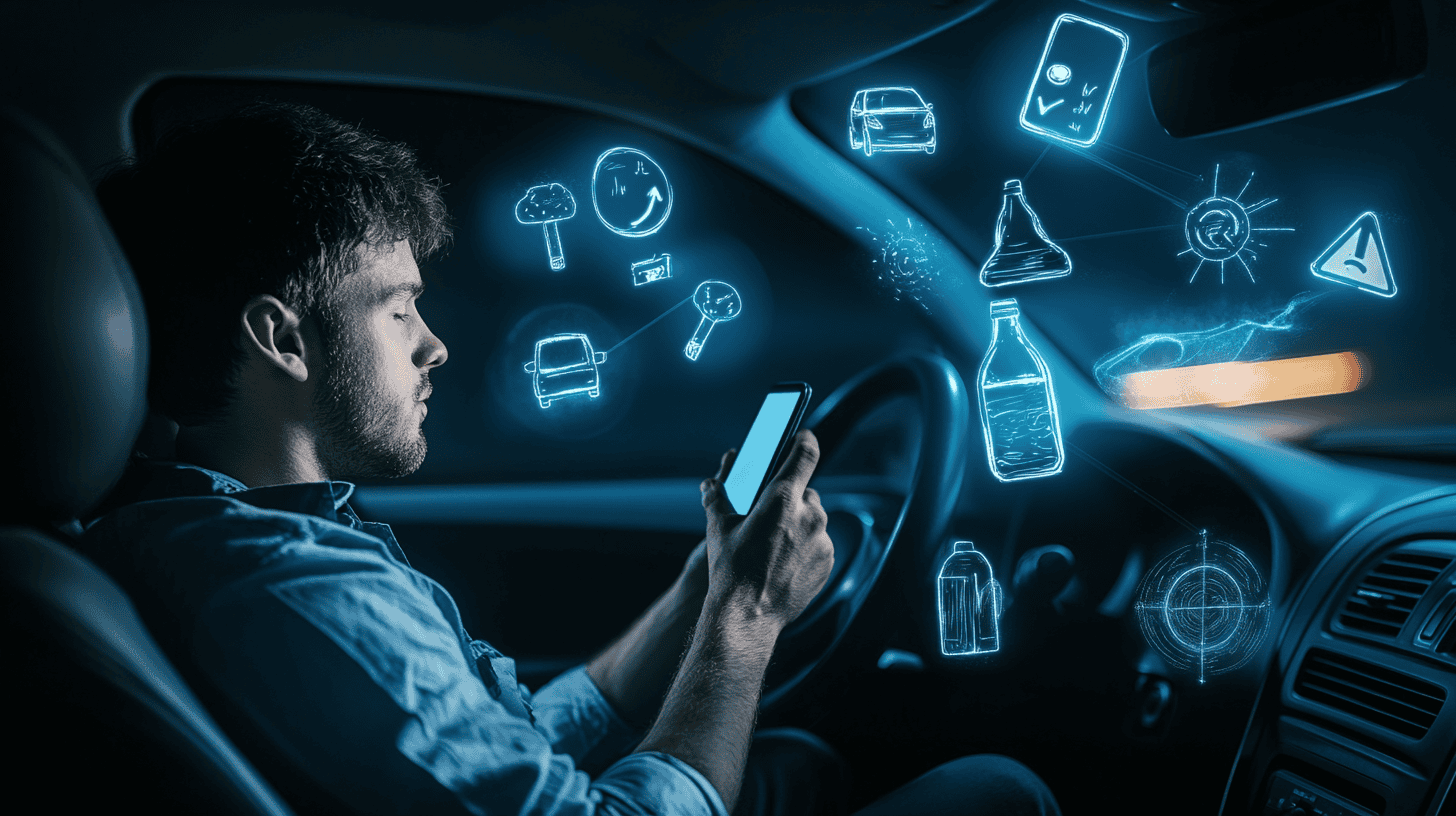
More than 90% of car accidents are caused by driver error, making preventable behaviors such as distracted driving, speeding, impaired driving, and reckless driving the leading causes of crashes in California. Although a collision can happen in seconds, the resulting injuries, medical expenses, lost income, and emotional distress can affect victims for months or even years.
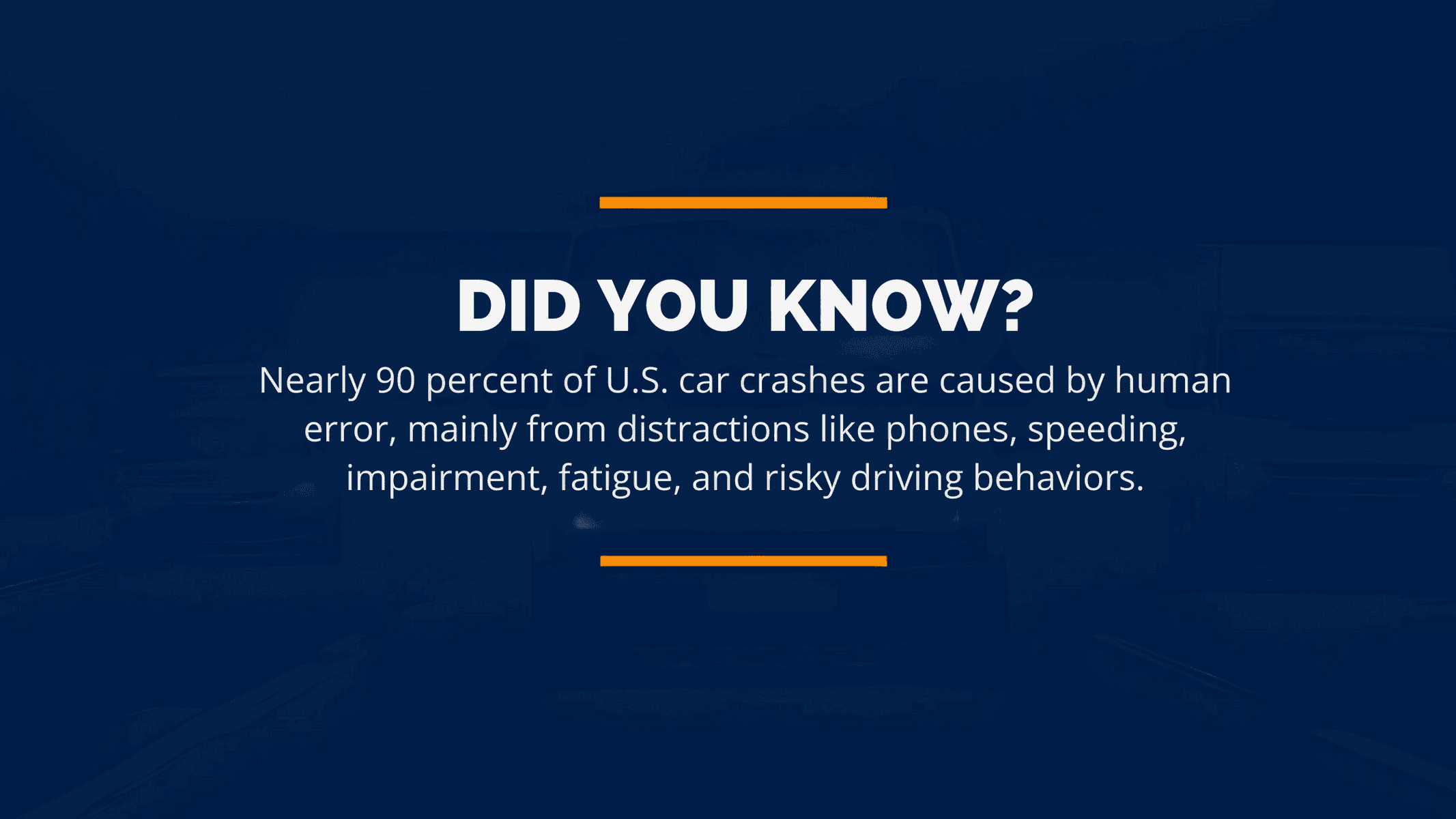
Understanding what causes most car accidents is important because it can also help determine who may be legally responsible for the crash. If another driver’s negligence caused your injuries, you may have the right to recover compensation for medical bills, lost wages, property damage, pain and suffering, future medical care, and other accident-related losses.
A California car accident attorney can investigate the accident, preserve critical evidence, establish liability, negotiate with insurance companies, and pursue the maximum compensation available under California law. In cases involving reckless conduct, such as drunk or drug-impaired driving, punitive damages may also be available.
Human error is the leading cause of most car accidents in California. Drivers who become distracted, speed, drive under the influence, ignore traffic laws, or make unsafe decisions behind the wheel significantly increase the risk of causing a collision. While factors like poor weather or vehicle defects can contribute to crashes, driver negligence remains the primary cause of most traffic accidents.
Identifying what caused the accident is also an important part of determining liability. When a driver’s careless or reckless actions lead to a crash, they may be held legally responsible for the injuries and damages they cause.
Aggressive driving is one of the leading causes of preventable car accidents in California. It includes dangerous driving behaviors such as speeding, tailgating, weaving through traffic, making unsafe lane changes, ignoring traffic signals, and failing to yield the right of way. These actions reduce a driver’s ability to react safely to changing road conditions and significantly increase the risk of serious or fatal collisions.
When aggressive driving causes an accident, the at-fault driver may be held legally responsible for the injuries, property damage, and other losses suffered by victims.
Speeding is one of the leading causes of serious car accidents because it reduces the time drivers have to react to changing road conditions, traffic, or unexpected hazards. It also increases stopping distance and the force of impact, making collisions more likely to result in catastrophic injuries or fatalities.
Exceeding the speed limit or driving too fast for weather, traffic, or road conditions can also be evidence of negligence. If speeding contributed to a crash, the at-fault driver may be held liable for the injuries and damages caused by the accident.
Tailgating occurs when a driver follows another vehicle too closely, leaving insufficient time and distance to stop safely if traffic suddenly slows or comes to a stop. Because the following driver has less time to react, tailgating is one of the most common causes of rear-end collisions.
In many cases, the driver who rear-ends another vehicle may be presumed at fault because they failed to maintain a safe following distance. However, liability ultimately depends on the specific circumstances of the accident and the available evidence.
Failure to Maintain a Proper Lookout (FMPL) occurs when a driver fails to pay reasonable attention to the road, surrounding traffic, pedestrians, cyclists, or changing driving conditions. Common examples include running a red light, making an unsafe turn, changing lanes without checking blind spots, failing to signal, or overlooking hazards that a reasonably careful driver would have noticed.
Because every driver has a legal duty to remain alert while operating a vehicle, failing to maintain a proper lookout can contribute to serious collisions. Investigators often review evidence such as police reports, witness statements, traffic camera footage, and the accident scene to determine whether a driver’s inattention caused or contributed to the crash.
If a failure to maintain a proper lookout results in an accident, the at-fault driver may be held liable under California personal injury law. Depending on the circumstances, an injured victim may be entitled to recover compensation for medical expenses, lost wages, property damage, pain and suffering, and other accident-related losses.
Yes. Aggressive driving may be considered negligence when a driver fails to exercise reasonable care and their actions cause a crash. Behaviors such as speeding, tailgating, weaving through traffic, running red lights, or making unsafe lane changes can breach a driver’s duty to operate a vehicle safely.
To recover compensation in a California personal injury claim, an injured victim generally must show that the driver’s negligent conduct caused the accident and resulted in measurable damages. Depending on the circumstances, compensation may include medical expenses, lost income, property damage, pain and suffering, and other accident-related losses.
Negligence per se is a legal doctrine that may apply when a driver violates a traffic or safety law designed to protect the public, and that violation causes a car accident. Common examples include speeding, running a red light, driving under the influence, or failing to obey other traffic laws.
A traffic citation does not automatically establish liability. However, evidence that a driver violated the law may strengthen a personal injury claim when the violation directly contributed to the crash and the resulting injuries. An experienced California car accident attorney can evaluate the available evidence and explain how these legal principles apply to your case.
Impaired driving is one of the leading causes of serious car accidents in California. A driver’s ability to safely operate a vehicle can be affected by alcohol, illegal drugs, certain prescription medications, fatigue, or other impairing conditions. These impairments reduce judgment, slow reaction time, affect coordination, and limit awareness of surrounding traffic, making collisions more likely.
Because impaired drivers are unable to respond safely to changing road conditions, they are more likely to cause crashes that result in severe injuries or fatalities. When impairment contributes to a collision, the at-fault driver may be held legally responsible for the injuries and damages caused.
Alcohol affects the brain and body in ways that make safe driving more difficult. Even small amounts of alcohol can impair judgment, slow reaction time, reduce coordination, and affect vision, making it harder for drivers to recognize hazards and respond to changing traffic conditions.
As blood alcohol concentration (BAC) increases, the risk of causing a crash also rises. Alcohol-related accidents are more likely to result in severe injuries or fatalities because impaired drivers often make poor decisions, drive at unsafe speeds, or fail to react in time to avoid a collision.
Both illegal drugs and certain prescription or over-the-counter medications can impair a driver’s ability to operate a vehicle safely. Depending on the substance, drug impairment may slow reaction time, reduce concentration, affect coordination, impair judgment, or cause drowsiness and blurred vision.
Driving under the influence of drugs increases the risk of serious collisions because impaired drivers are less able to recognize hazards and react to changing traffic conditions. If drug impairment contributes to a crash, the at-fault driver may face both criminal penalties and civil liability for the injuries and damages caused.
Driver fatigue can impair driving as much as other forms of impairment by reducing alertness, slowing reaction time, and affecting judgment. A drowsy driver may drift between lanes, overlook traffic signals, miss approaching hazards, or even fall asleep behind the wheel, greatly increasing the risk of a serious collision.
Fatigue-related accidents often occur because drivers are unable to react quickly to changing traffic conditions or unexpected obstacles. Taking regular breaks, getting enough sleep, and avoiding driving while excessively tired can help reduce the risk of these preventable crashes.
Yes. Although distracted driving differs from alcohol or drug impairment, it can have a similar effect by taking a driver’s eyes, hands, or attention away from the task of driving. Common distractions include texting, using a mobile phone, entering directions into a GPS, eating, adjusting vehicle controls, or interacting with passengers.
Even a momentary distraction can prevent a driver from noticing slowing traffic, pedestrians, cyclists, or changing road conditions. When distracted driving causes a collision, the at-fault driver may be held liable for the injuries, property damage, and other losses resulting from the accident.
Yes. Every driver has a legal duty to operate their vehicle with reasonable care. When alcohol, drugs, fatigue, or distracted driving impair a driver’s ability to drive safely and cause a collision, they may be held liable for the injuries and damages suffered by others.
Depending on the circumstances, an injured victim may be able to recover compensation for medical expenses, lost wages, property damage, pain and suffering, and other accident-related losses. In some cases, liability may be established under ordinary negligence or negligence per se if the at-fault driver violated a traffic or DUI law.
If the driver’s conduct demonstrated a conscious disregard for the safety of others, such as driving under the influence of alcohol or drugs, punitive damages may also be available under California law in appropriate cases.

Although driver negligence causes most car accidents, some crashes occur because of defective vehicle components or hazardous road conditions. Problems such as tire blowouts, brake failures, steering defects, road debris, large potholes, malfunctioning traffic signals, poor road maintenance, and missing or obstructed traffic signs can all increase the risk of a serious collision.
Depending on the circumstances, responsibility for the accident may extend beyond the driver. A vehicle manufacturer, a government agency responsible for road maintenance, or another party may also be liable if their negligence or defective product contributed to the crash.
Yes. A vehicle manufacturer may be held liable if a defective vehicle or auto part contributed to a car accident. Defects involving brakes, tires, airbags, steering systems, or other safety components can increase the risk of a collision or make injuries more severe.
California product liability law may allow injured victims to pursue compensation when a defective product causes harm. Depending on the facts of the case, liability may also extend to parts manufacturers, distributors, or other parties involved in the vehicle’s design, manufacture, or sale.
Determining who is responsible for a car accident requires a careful review of the available evidence. Insurance companies, law enforcement, and attorneys may examine police reports, witness statements, photographs, traffic camera footage, vehicle damage, skid marks, and medical records to understand how the collision occurred.
California follows a comparative negligence system, which means more than one party may share responsibility for an accident. Even if you were partially at fault, you may still be able to recover compensation, although your recovery may be reduced based on your percentage of fault.
An experienced California car accident attorney can investigate the circumstances of the crash, identify the responsible parties, and gather the evidence needed to support your claim.
If you were injured in a California car accident, speaking with an experienced attorney as soon as possible can help protect your legal rights. Early legal guidance can make it easier to preserve evidence, identify the cause of the crash, determine liability, and handle communications with the insurance company while you focus on your recovery.
Whether your accident was caused by distracted driving, speeding, impaired driving, aggressive driving, or another form of negligence, you may be entitled to recover compensation for medical expenses, lost wages, property damage, pain and suffering, and other accident-related losses.
The Law Offices of Eslamboly Hakim has recovered more than $100 million in verdicts and settlements for injured clients across California. Our attorneys understand how to investigate complex car accident claims, negotiate with insurance companies, and fight for the maximum compensation available under the law.
Contact us today for a free consultation. You pay no attorney fees unless we recover compensation for you.
We’re here to ease your stress and guide you through every step of recovery.
Get Support NowHuman error is the leading cause of most car accidents in California. Distracted driving, speeding, impaired driving, aggressive driving, and other negligent driving behaviors contribute to the majority of collisions. Although hazardous road conditions and vehicle defects can also play a role, driver negligence remains the primary cause of traffic accidents.
Yes. More than 90% of car accidents are associated with driver error. Common examples include distracted driving, speeding, impaired driving, fatigue, and other negligent driving behaviors that increase the risk of preventable collisions.
The most common causes of car accidents include distracted driving, speeding, aggressive driving, impaired driving, driver fatigue, tailgating, failure to yield, and defective vehicle components. Determining what caused the accident is an important step in establishing liability and pursuing compensation after a crash.
Yes. Speeding reduces reaction time, increases stopping distance, and makes collisions more severe. If excessive speed contributes to a crash, the at-fault driver may be held liable for the resulting injuries, property damage, and other accident-related losses.
Yes. If another driver’s negligence caused your injuries, you may be entitled to recover compensation for medical expenses, lost wages, future medical treatment, property damage, pain and suffering, and other accident-related losses. The amount you may recover depends on the facts of your case and the damages you have sustained.
You should contact a California car accident attorney as soon as possible after a crash, particularly if you suffered injuries, liability is disputed, or the insurance company questions your claim. Early legal guidance can help preserve evidence, protect your rights, and strengthen your case before important information is lost.
After a car accident, seek medical attention as soon as possible, report the crash to law enforcement if required, exchange information with the other driver, take photographs of the accident scene and your injuries if it is safe to do so, and notify your insurance company. If you were injured because of another driver’s negligence, consider speaking with a California car accident attorney to understand your legal options.
Yes. Distracted driving may be considered negligence when it contributes to a collision. Activities such as texting, using a mobile phone, entering directions into a GPS, eating, or adjusting vehicle controls can divert a driver’s attention from the road. If these distractions cause a crash, the at-fault driver may be held liable for the resulting injuries and damages.
California law limits the time you have to file a personal injury claim after a car accident. Because filing deadlines vary depending on the circumstances of your case, it is important to speak with a California car accident attorney as soon as possible to protect your right to pursue compensation.
Tag:
I like the fight – the fight to hold Big Insurance accountable, the fight to find justice for real people, and the fight to level the playing field for...Read More
