 1-800-529-8255
 1-800-529-8255

 Back
Back
 Trip and Fall: $200,000 Recovered
 What You Should Know About Rear-End Collisions in California
Rear-end collisions are among the most common types of car accidents in California. They can happen when a driver follows...
Read More
8730 Wilshire Boulevard, California 90211 
Get Help Now

Request A free confidential case review

Case Results :
Recently Written:

Rear-end collisions are among the most common types of car accidents in California. They can happen when a driver follows...
Read More

Whether homeowners insurance covers mold remediation in California depends largely on what caused the mold and what your policy covers....
Read More

Premises liability refers to the legal responsibility property owners have to maintain safe conditions and protect visitors from preventable injuries....
Read More

Self-driving cars are designed to make roads safer, but they cannot eliminate every accident. While autonomous vehicle technology may reduce...
Read More
After a car accident, many victims are left dealing with painful injuries, expensive medical bills, vehicle repairs, lost income, and...
Read More
Partner with our experienced attorneys and take the first step toward justice.
Get Your Free Consultation

Yes, because in California, assault is an intentional tort. Other intentional torts include intentional infliction of emotional distress (extreme Mean Girls speech or conduct), false imprisonment (preventing a person from leaving a room), and trespass. You can sue someone for assault to establish legal responsibility. These civil suits are especially common in certain kinds of assaults that rarely make their way to criminal court.
The FBI’s Uniform Crime Reporting (UCR) Program defines aggravated assault as a violent attack by one person on another, typically aimed at causing serious or severe bodily harm.
You can also sue someone for assault to establish financial responsibility. Let’s face it. Most assault tortfeasors (negligent actors) don’t have money, and most insurance policies exclude intentional conduct losses. In many cases, landowners are financially responsible for assaults that occur on their property. More on that below.
Assault victims have various legal options. Only an Assault and Battery Lawyer in California helps victims sort through these options and make the best choices for themselves and their families. Additionally, court prosecutors don’t represent victims. They represent the state. But a personal injury lawyer in Los Angeles represents you and does whatever it takes to uphold your best interests.
At common law, assault is an imminent threat of physical contact, and battery is a harmful or offensive touch. Assault usually doesn’t violate California criminal laws. It’s also hard to prove in civil court. Battery is different on both counts.
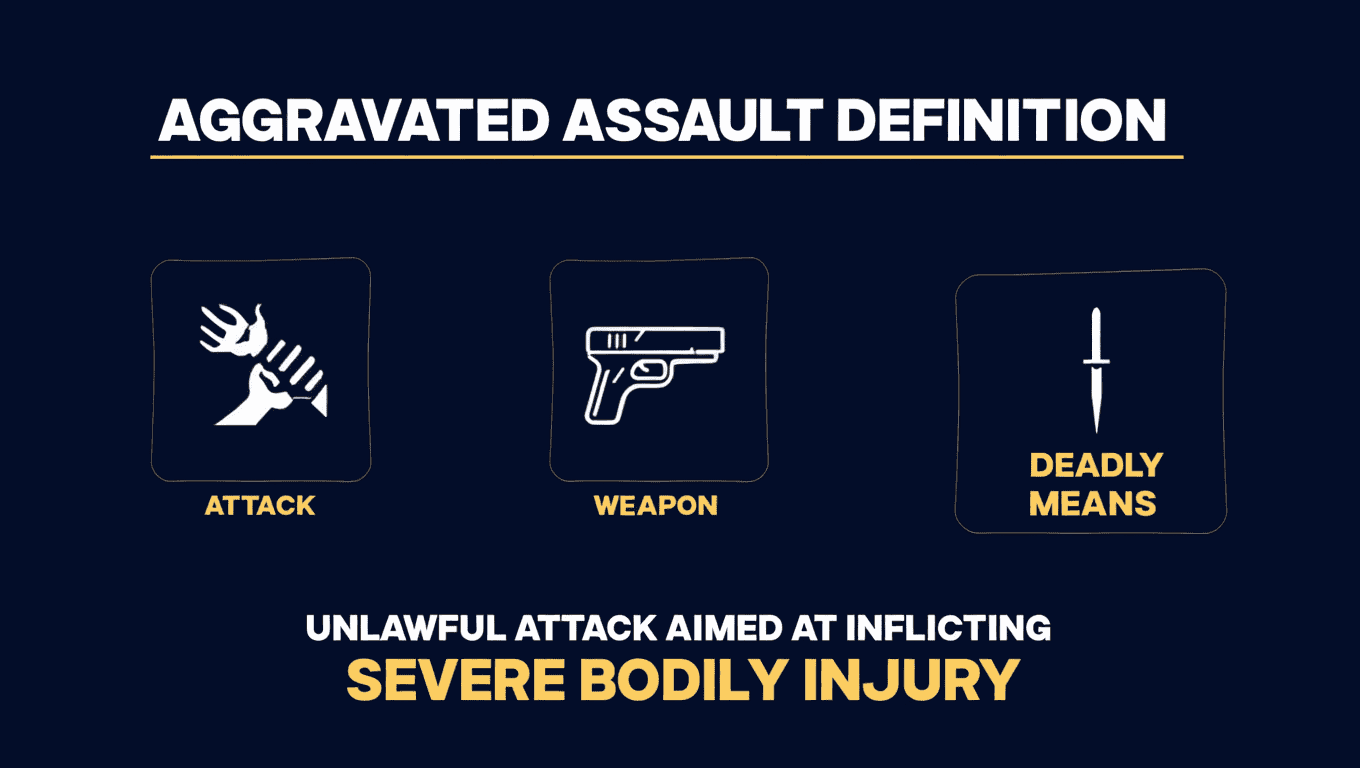
(SOURCE: FBI)
Common battery scenarios include:
Most law enforcement agencies have mandatory domestic battery arrest policies, so these matters almost always make their way to criminal court. Additionally, a judge can issue a protective order which includes financial provisions (paying medical bills, child support, etc.).
In contrast, these matters almost never end up in criminal court. Usually, if officers respond, they separate the participants, allowing them to cool off. Then, officers give each participant a stern “go forth and sin no more” warning before departing and forgetting the matter.
Los Angeles personal injury lawyers handle many of these cases as well, partially because police officers cannot quickly find enough evidence to charge anyone, and partially because these incidents often involve negligent security issues, as outlined below.
The elements of battery are basically the same in civil and criminal court. But the burden of proof is different. Criminal prosecutors must prove guilt beyond any reasonable doubt, and personal injury attorneys must prove liability by a preponderance of the evidence (more likely than not).
Additionally, in criminal court, simple battery is a misdemeanor and aggravated battery is a felony. However, in civil court, battery is battery. The only difference is the amount of compensation, which increases as injuries become more severe.
Compensation in a civil battery case usually includes money for economic losses, such as medical bills, and noneconomic losses, such as pain and suffering.
All property owners in California have a Duty Of Care to provide safe and secure environments for all commercial and noncommercial guests. A safe and secure environment includes reasonable security. The nature of the duty of care varies, according to factors like:
The same general duty of care analysis applies in other premises liability claims, like swimming pool drowning and dog bite injuries.
This principle is a familiar one. Pilots fly planes, but unless an airport creates a proper environment, passengers aren’t safe. Tortfeasors commit assaults, but unless property owners create safe environments, people aren’t safe.

(SOURCE: Statista)
This legal element is the “secure” element of the duty of care. Like the overall duty of care, the responsibility to provide security varies, depending on such factors as:
A flower shop several blocks from the nearest four-lane street needs almost no security. A bar near a major intersection probably needs surly bouncers. A check cashing store near a freeway, where almost anyone can come in, take lots of money, and go, needs very tight security.
These factors also relate to foreseeability (possibility) of injury. In non-assault torts, like car wrecks, foreseeability isn’t a big deal. However, in an assault case, unless the assault was foreseeable, landowners aren’t financially responsible for an individual’s unexpected actions.
Yes, you can sue someone for assault. For a free consultation with an Experienced Personal Injury Attorney, contact the Law Offices of Eslamboly Hakim. We do not charge upfront legal fees in these matters. You don’t pay us unless we win for you! Get a Free Consultation today.
We’re here to ease your stress and guide you through every step of recovery.
Get Support NowYes. Assault is an intentional tort in California, and victims can file a civil lawsuit even if criminal charges are never filed.
Yes. Assault is the threat of immediate harm, while battery involves actual physical contact. Both can lead to civil claims, but battery is easier to prove in court.
Victims generally have two years from the date of the incident to file a personal injury lawsuit for assault or battery.
Yes. Property owners may be liable if they failed to provide reasonable security and the assault was foreseeable based on crime levels, past incidents, or known risks.
Victims may recover medical costs, lost wages, pain and suffering, emotional distress, and other financial losses resulting from the attack.
No. Civil cases have a lower burden of proof. A victim may win a civil battery case even if prosecutors do not file charges or the defendant is not convicted.
Negligent security occurs when a property owner fails to provide adequate safety measures, such as lighting, security staff, cameras, or controlled entry, leading to an assault.
In many cases, the property owner or another third party may be held financially responsible through premises liability or negligent security claims.
Yes. Civil battery claims often include compensation for emotional harm, mental anguish, and long-term psychological effects.
As soon as possible. These cases require evidence, witness statements, security assessments, and documentation to preserve the victim’s legal rights.
Tag:
I like the fight – the fight to hold Big Insurance accountable, the fight to find justice for real people, and the fight to level the playing field for...Read More
