 1-800-529-8255
 1-800-529-8255

 Back
Back
 Trip and Fall: $200,000 Recovered
 What You Should Know About Rear-End Collisions in California
Rear-end collisions are among the most common types of car accidents in California. They can happen when a driver follows...
Read More
8730 Wilshire Boulevard, California 90211 
Get Help Now

Request A free confidential case review

Case Results :
Recently Written:

Rear-end collisions are among the most common types of car accidents in California. They can happen when a driver follows...
Read More

Whether homeowners insurance covers mold remediation in California depends largely on what caused the mold and what your policy covers....
Read More

Premises liability refers to the legal responsibility property owners have to maintain safe conditions and protect visitors from preventable injuries....
Read More

Self-driving cars are designed to make roads safer, but they cannot eliminate every accident. While autonomous vehicle technology may reduce...
Read More
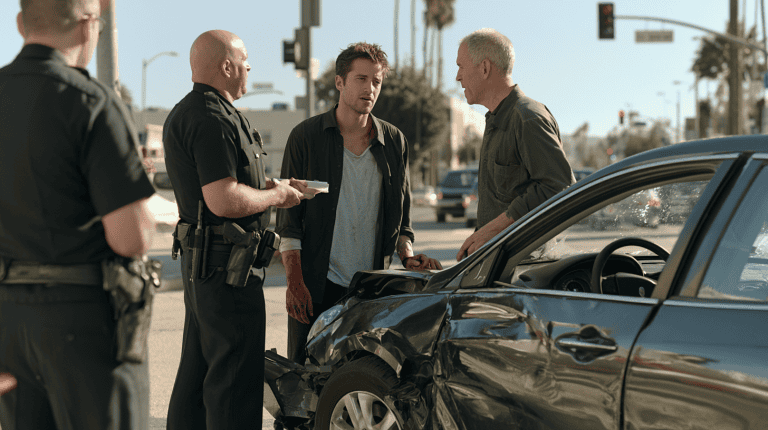
After a car accident, many victims are left dealing with painful injuries, expensive medical bills, vehicle repairs, lost income, and...
Read More
Partner with our experienced attorneys and take the first step toward justice.
Get Your Free Consultation
Yes, you can sue for emotional distress after an accident in California. Emotional trauma is a real and recognized form of damage under California personal injury law. If another person’s negligence caused your injuries, you may be entitled to compensation for the emotional impact of the accident. Like physical injuries, emotional distress often requires treatment and can affect your daily life long after the accident.
A personal injury claim is intended to compensate you for all the ways an accident has affected your life. In addition to medical expenses and lost income, you may be able to recover compensation for emotional distress, pain and suffering, and other non-economic damages. These damages recognize the psychological and emotional effects that cannot be measured by medical bills alone.
An experienced Los Angeles personal injury lawyer can help evaluate the full impact of your injuries, gather evidence to support your claim, and negotiate with insurance companies for fair compensation. Building a strong case from the beginning can make a significant difference when negotiating a settlement or presenting your case in court.
Emotional distress is the psychological and emotional suffering a person experiences after an accident or traumatic event. In a California personal injury case, emotional distress is considered a type of non-economic damage because it affects your quality of life rather than causing direct financial losses like medical bills or lost wages.
Emotional distress may include:
Post-Traumatic Stress Disorder (PTSD) is also common after serious accidents. While PTSD often causes emotional symptoms such as anxiety and fear, it is recognized as a medical condition that can affect brain function and may require ongoing treatment.
Although physical injuries may heal over time, emotional suffering can last much longer. Victims of car accidents, truck accidents, motorcycle accidents, pedestrian accidents, workplace injuries, and other serious accidents may continue to experience emotional distress long after their physical recovery.
Emotional distress can result from many types of accidents caused by another person’s negligence. While every case is different, serious or traumatic events often leave victims with lasting emotional and psychological effects in addition to physical injuries.
You may be able to seek compensation for emotional distress after accidents involving:
No matter how your accident happened, emotional distress may be included as part of your personal injury claim if another party’s negligence caused your injuries.
Yes. California law allows accident victims to seek compensation for emotional distress when another person’s negligence caused their injuries. In most cases, emotional distress is included as part of a personal injury claim rather than filed as a separate lawsuit.
Depending on the circumstances of your case, you may be able to recover compensation for:
The value of an emotional distress claim depends on several factors, including the severity of your injuries, the impact the accident has had on your daily life, and the strength of your evidence. Insurance companies often challenge these damages, making thorough documentation and legal representation important when pursuing fair compensation.
California also follows a comparative fault rule. If you are found partially responsible for the accident, your compensation may be reduced by your percentage of fault. However, you may still recover damages even if you share some responsibility for what happened.
In many personal injury cases, emotional distress is connected to a physical injury. However, California law recognizes certain situations where a person may recover compensation for emotional distress even if they were not physically injured.
Negligent Infliction of Emotional Distress (NIED) is not a separate cause of action but a legal theory based on negligence. These claims may arise when another person’s careless actions cause severe emotional suffering. Depending on the circumstances, a person may qualify as a direct victim or a bystander.
A bystander may have a claim if they:
Intentional Infliction of Emotional Distress (IIED) applies when someone intentionally or recklessly engages in outrageous conduct that causes severe emotional suffering. Examples may include serious harassment, violent threats, assault, or extreme road rage.
Every emotional distress claim depends on its unique facts and the available evidence. Whether your claim involves negligence or intentional conduct, proving how the incident affected your life is essential to recovering compensation.

Unlike physical injuries, emotional distress cannot always be seen. That is why strong evidence is essential. Insurance companies often question emotional distress claims, so documenting how the accident has affected your mental and emotional well-being can strengthen your case.
Helpful evidence may include:
The stronger your evidence, the easier it is to demonstrate the emotional impact of the accident. Medical documentation, treatment records, and testimony from the people closest to you can help establish the full extent of your emotional distress and support your claim for fair compensation.
There is no fixed dollar amount for emotional distress in California. The value of your claim depends on the unique facts of your case, including the severity of your emotional suffering, the extent of your injuries, and how the accident has affected your daily life.
When determining compensation, insurance companies, judges, or juries may consider factors such as:
In many personal injury cases, emotional distress is awarded as part of your non-economic damages. While attorneys and insurance companies may use different methods to estimate these damages during settlement negotiations, every case is unique, and there is no standard formula that guarantees a specific amount.
Emotional distress claims can be difficult to prove because the effects are often invisible. Insurance companies may argue that your emotional suffering is unrelated to the accident or not as serious as you claim. Having an experienced Los Angeles personal injury lawyer on your side can make a significant difference.
At Hakim Injury Law, we can help you by:
Our goal is to protect your rights while you focus on your recovery. Contact the Law Offices of Eslamboly Hakim today for a free consultation. You pay no fees unless we win.
We’re here to ease your stress and guide you through every step of recovery.
Get Support NowIn most personal injury cases, California’s statute of limitations gives you two years from the date of the accident to file a claim. Missing this deadline may prevent you from recovering compensation, so it is important to speak with a personal injury lawyer as soon as possible.
Medical records are not always required, but they can significantly strengthen your claim. Therapy records, psychiatric evaluations, prescription history, and testimony from mental health professionals can help demonstrate the impact the accident has had on your emotional well-being.
Yes, in certain situations. California recognizes emotional distress claims without a physical injury under specific legal theories, such as Negligent Infliction of Emotional Distress (NIED) and Intentional Infliction of Emotional Distress (IIED). These claims often require strong supporting evidence.
Pain and suffering generally refers to the physical pain and discomfort caused by an injury, while emotional distress focuses on the psychological effects of an accident, such as anxiety, depression, fear, and loss of enjoyment of life. Both may be recoverable as non-economic damages in a California personal injury claim.
Yes. California follows a comparative fault system, which means you may still recover compensation even if you were partially responsible for the accident. However, your compensation may be reduced based on your percentage of fault.
Emotional distress claims often require detailed evidence and may be challenged by insurance companies. An experienced Los Angeles personal injury lawyer can help gather the necessary documentation, negotiate with insurers, and pursue the full compensation you may be entitled to recover.
Tag:
I like the fight – the fight to hold Big Insurance accountable, the fight to find justice for real people, and the fight to level the playing field for...Read More
