 1-800-529-8255
 1-800-529-8255

 Back
Back
 Trip and Fall: $200,000 Recovered
 Common Myths About Airplane Accidents and the Legal Truth
Plane crashes are so rare and so tragic that they quickly become mythological. Basically, a myth is a made-up story...
Read More
8730 Wilshire Boulevard, California 90211 
Get Help Now

Request A free confidential case review

Case Results :
Recently Written:
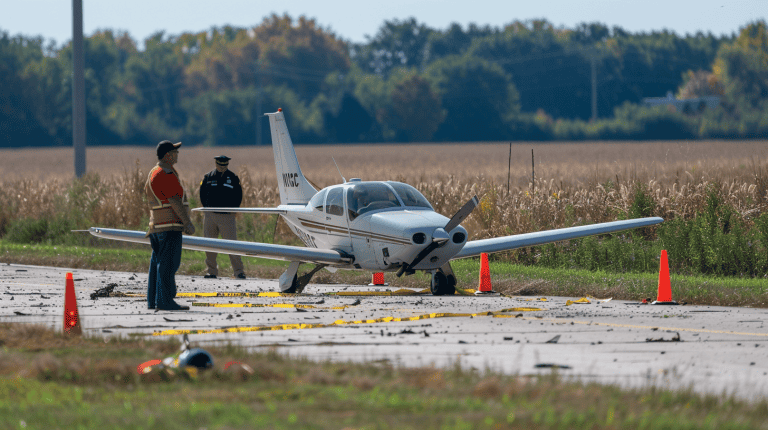
Plane crashes are so rare and so tragic that they quickly become mythological. Basically, a myth is a made-up story...
Read More

Dogs are man’s best friend, until they aren’t. Animal attacks often cause serious injuries before, during, and after a bite....
Read More

Amusement parks are dangerous. Every year, millions of people cram into places like Disneyland Resort, Universal Studios Hollywood, Knott’s Berry...
Read More

Since medical bills are usually the largest component of economic damages in a personal injury matter, especially a dog bite...
Read More

From start to finish, the private plane experience is much different from the airline experience. Most private plane passengers casually...
Read More
Partner with our experienced attorneys and take the first step toward justice.
Get Your Free Consultation
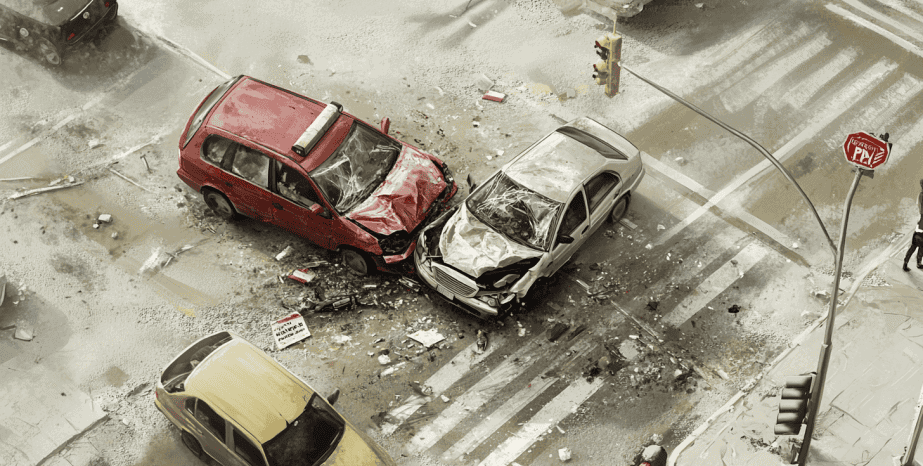
A T-bone accident can leave you with serious injuries, mounting medical bills, and uncertainty about what comes next. These side-impact collisions often happen at intersections when a driver runs a red light, fails to yield, or becomes distracted, and they can have life-changing consequences.
Because the side of a vehicle offers less protection than the front or rear, T-bone crashes frequently result in severe injuries that require extensive medical care. If you were injured in a T-bone accident in California, understanding what caused the crash, how fault is determined, and what steps to take afterward can help protect your health and your legal rights. A Los Angeles car accident attorney can also help you understand your options for pursuing compensation while dealing with insurance companies and the legal process.
Emergency room doctors usually effectively treat many car crash-related injuries, like broken bones and severe abrasions. But they do not effectively treat subtle car crash injuries, which, in many cases, are even more severe.
Whiplash is a good example. The violent motion of a car crash causes this head and neck injury. The motion in a side-impact crash is even more violent, so whiplash is usually worse in these cases.
Initial whiplash symptoms include neck soreness and shoulder pain. Pretty much all severe crash victims are sore. Therefore, the “whiplash” red flag does not immediately stand out to doctors. That is especially true because whiplash is a soft tissue injury that X-rays and many other diagnostic tests do not detect.
Whiplash can damage the muscles, ligaments, and other soft tissues in the neck. Without prompt diagnosis and treatment, the injury may lead to ongoing pain and reduced mobility.
Post-Traumatic Stress Disorder (PTSD), an injury that affects about half of car crash victims, is another example. PTSD symptoms commonly include:
If these symptoms do not improve after a few days, or if they get worse instead of better, the victim may have PTSD. Only a medical professional can determine whether your symptoms are part of normal post-accident stress or a more serious condition that requires ongoing treatment.
As mentioned, many T-bone accidents are “who had the light” intersection collisions. These he-said, she-said cases often do not hold up in criminal court because prosecutors must prove guilt beyond a reasonable doubt. Civil cases, however, have a lower burden of proof.
In a personal injury claim, your attorney must prove that another party’s negligence caused the accident by a preponderance of the evidence, meaning it is more likely than not. As a result, strong supporting evidence can make a significant difference in your case.
The evidence-gathering process is much like medical treatment. Not all injuries are immediately apparent, and not all evidence is immediately available. Attorneys often supplement police reports and witness statements with electronic evidence, such as surveillance footage, traffic camera recordings, and vehicle data. This additional evidence often tips the scales in the victim’s favor.
Procedure also plays an important role. If the evidence is strong enough to survive a motion to dismiss, which it often is, the court may require the parties to participate in mediation.
During mediation, both sides have a duty to negotiate in good faith. Rather than simply refusing to compromise, each party works toward a possible settlement. As a result, many victims resolve their claims without going to trial.

Unfortunately, establishing fault is not always the end of the case. Legal issues, especially California’s comparative fault rule, may affect the amount of compensation a victim ultimately receives.
Comparative fault allows the insurance company to argue that the injured person shares some responsibility for the collision. A Los Angeles personal injury lawyer has multiple opportunities to challenge this defense.
First, the insurance company must prove that the victim’s conduct substantially contributed to the accident. For example, if someone was driving 50 mph in a 45 mph zone, that technical speeding violation may not have substantially contributed to a T-bone collision.
Second, the insurance company must persuade a jury that its comparative fault argument is valid. Since these arguments are often raised before trial, an experienced attorney is usually well prepared to challenge them.
California follows a pure comparative fault system. Even if an injured person is found partially responsible for a crash, they may still recover compensation. Any recovery is generally reduced by their percentage of fault.
Also read: Airline vs. Private Plane Accidents: What’s the Legal Difference?
The moments after a T-bone accident can be overwhelming, but the steps you take can affect both your recovery and your claim.
California law generally limits the amount of time you have to file a personal injury claim after a T-bone accident. Missing this deadline could prevent you from recovering compensation for your injuries and other losses.
Acting quickly also helps preserve important evidence, such as traffic camera footage, witness statements, and accident scene documentation. Speaking with a Los Angeles car accident attorney as soon as possible can help you understand the deadlines that apply to your case and protect your legal rights.
T-bone accidents can cause serious injuries and leave victims facing physical, emotional, and financial challenges. Understanding what causes these crashes, how fault is determined, and the steps to take afterward can help protect your health and your legal rights. Taking action as soon as possible can also improve your ability to pursue the compensation you deserve.
A T-bone accident can leave you with serious injuries and unexpected expenses. If someone else’s negligence caused the crash, you may have the right to seek compensation.
Contact the Law Offices of Eslamboly Hakim today for a free consultation. We charge no attorney fees unless we recover compensation for you, so you can focus on your recovery while we handle your claim.
We’re here to ease your stress and guide you through every step of recovery.
Get Support NowMost T-bone accidents happen at intersections when a driver runs a red light, fails to yield the right of way, or becomes distracted behind the wheel.
Fault depends on the facts of the crash. Police reports, witness statements, traffic camera footage, and other evidence help determine which driver failed to follow traffic laws.
Yes. California follows a pure comparative negligence rule, meaning you may still recover compensation even if you were partially responsible for the accident. Your recovery may be reduced based on your share of fault.
California generally sets deadlines for filing personal injury claims. Acting quickly can help preserve evidence and protect your right to seek compensation.
Yes. Because the side of a vehicle provides less protection than the front or rear, T-bone collisions often result in severe injuries, including head trauma, spinal injuries, internal injuries, and broken bones.
Tag:
I like the fight – the fight to hold Big Insurance accountable, the fight to find justice for real people, and the fight to level the playing field for...Read More
