 1-800-529-8255
 1-800-529-8255

 Back
Back
 Trip and Fall: $200,000 Recovered
 Does Homeowners Insurance Cover Mold Remediation in California?
Whether homeowners insurance covers mold remediation in California depends largely on what caused the mold and what your policy covers....
Read More
8730 Wilshire Boulevard, California 90211 
Get Help Now

Request A free confidential case review

Case Results :
Recently Written:
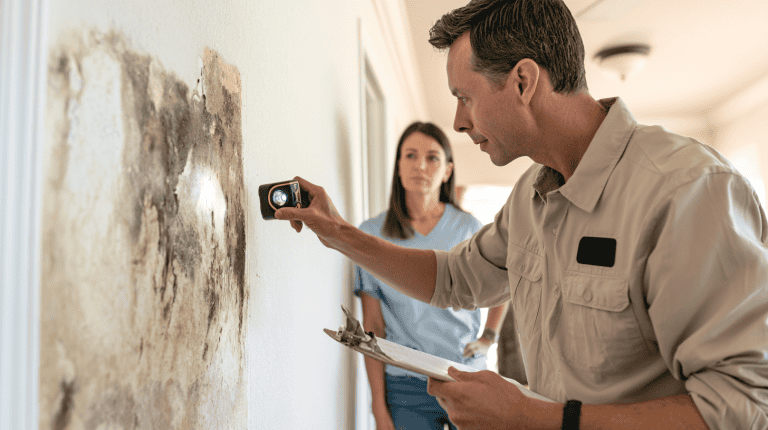
Whether homeowners insurance covers mold remediation in California depends largely on what caused the mold and what your policy covers....
Read More

Premises liability refers to the legal responsibility property owners have to maintain safe conditions and protect visitors from preventable injuries....
Read More

Self-driving cars are designed to make roads safer, but they cannot eliminate every accident. While autonomous vehicle technology may reduce...
Read More
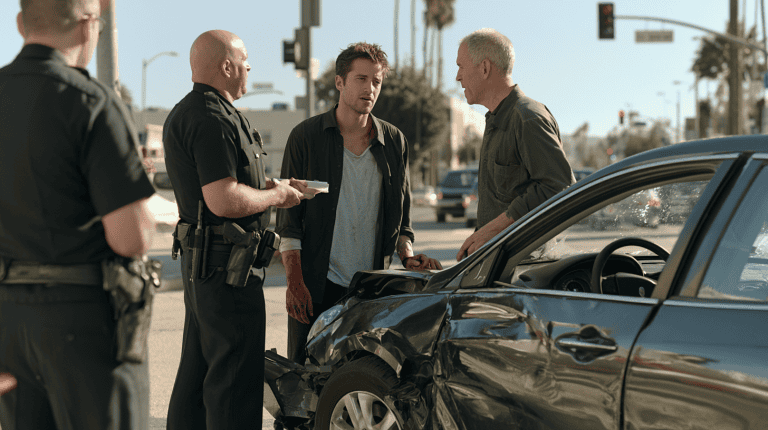
After a car accident, many victims are left dealing with painful injuries, expensive medical bills, vehicle repairs, lost income, and...
Read More
A lawyer’s mistake does not automatically mean legal malpractice. Even experienced attorneys can face cases that do not end in...
Read More
Partner with our experienced attorneys and take the first step toward justice.
Get Your Free Consultation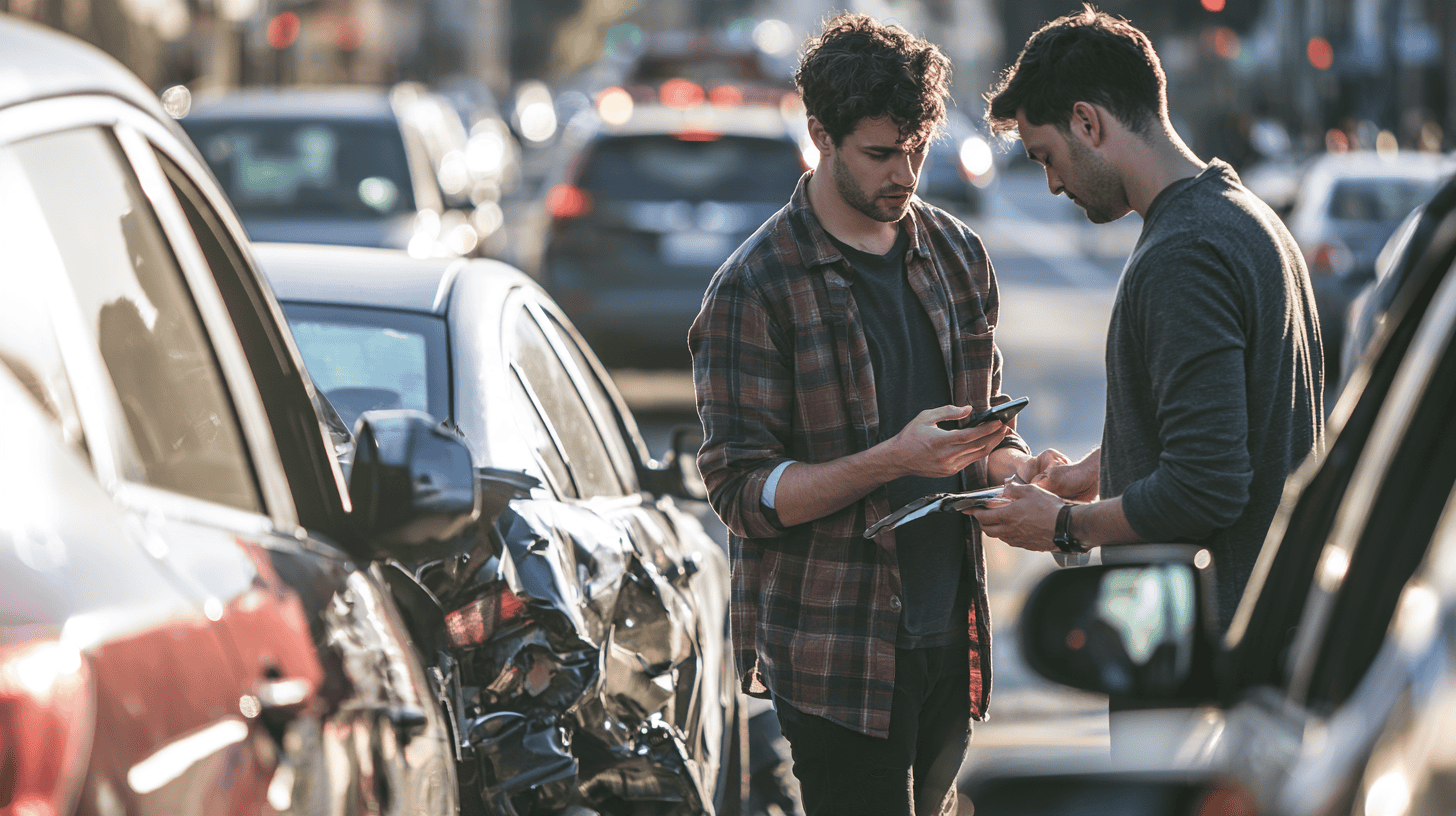
Rear-end collisions are among the most common types of car accidents in California. They can happen when a driver follows too closely, becomes distracted, speeds, or fails to stop in time. Although these crashes may seem straightforward, determining who is responsible can become more complicated when multiple factors contribute to the collision or the drivers disagree about what happened.
Rear-end collisions can cause injuries that are not always immediately apparent, including whiplash and other neck and back injuries. Seeking medical attention after a crash and keeping records of your treatment can help document your injuries and the care you received.
If you were injured in a rear-end collision, a Los Angeles car accident lawyer can review the circumstances of the crash, available evidence, and applicable California law to help you understand your legal options.
In many rear-end collisions, the driver who strikes the vehicle in front may be considered responsible because drivers have a duty to operate safely and maintain enough distance to stop when necessary.
However, being the rear driver does not automatically resolve every question of fault. The circumstances of the collision and the conduct of the other drivers may also matter.
California follows a pure comparative fault system, meaning responsibility can be divided among parties based on their respective shares of fault. For example, if the front driver suddenly stopped, changed lanes improperly, or otherwise contributed to the collision, those circumstances may affect how fault is allocated. A person’s recovery can be reduced according to their percentage of fault.
Evidence can help establish what happened, including photographs of the vehicles and scene, witness statements, vehicle damage, traffic-camera footage, police reports, and other records.
Because rear-end collisions can involve disputed facts, determining liability may require looking beyond which vehicle struck the other from behind. The circumstances of the crash and available evidence can help establish how it occurred and who may be responsible.

Rear-end collisions can have several causes, and more than one factor may contribute to a crash. Common causes include:
The available evidence can help establish how the crash occurred and whether another party may be responsible.
Even when vehicle damage appears minor, some injuries may not become apparent immediately after a collision. Seeking appropriate medical evaluation and keeping records of treatment can help document an injury claim.
When multiple factors contribute to a rear-end collision, the available evidence can help establish how the crash occurred and who may be responsible.
Also read: What Cycling Laws Protect Riders in California?
After a rear-end collision, taking the right steps can help protect your health, preserve important evidence, and document your losses.
Check yourself and others for injuries and call 911 if emergency assistance is needed. Even if you feel fine immediately after the crash, some injuries may not become apparent right away. Seek medical attention if you develop pain or other symptoms.
If it is safe to do so, move the vehicles out of active traffic and follow instructions from emergency personnel. Do not put yourself at additional risk while trying to document the accident.
If it is safe, take photos or videos of:
Collect the other driver’s name, contact information, driver’s license information, insurance details, and vehicle information. If witnesses are present, ask for their contact information as well.
Follow applicable California reporting requirements and notify your insurance company as appropriate. Keep copies of accident reports and communications related to the crash.
Save medical records, bills, repair estimates, photographs, insurance communications, and other documents related to the collision. These records can help document your injuries and losses.
Provide accurate information about what happened, but avoid making assumptions about who was responsible before all the circumstances are known. Fault may depend on the conduct of multiple parties and the available evidence.
Depending on the circumstances of the collision, a person may be able to seek compensation for losses resulting from the crash. Potential damages may include:
The types and amount of compensation available depend on the injuries, losses, evidence, and circumstances of the collision. California’s comparative fault rules may also affect the amount a person can recover when more than one party shares responsibility for the crash.
Rear-end collisions may seem straightforward, but determining fault can depend on the specific circumstances of the crash and available evidence. Factors such as distracted driving, speeding, road conditions, and mechanical problems may all play a role in determining responsibility.
If you were injured in a rear-end collision, documenting the crash, seeking medical care, and keeping records of your injuries and losses can help support your claim. California’s comparative fault rules may also affect the compensation available when more than one party shares responsibility.
Understanding how the collision occurred and how the law applies to the specific facts of your case can help you make informed decisions about your legal options.
If you were injured in a rear-end collision and are dealing with medical expenses, lost income, or questions about who was responsible, understanding your legal options can help you decide what to do next.
The Law Offices of Eslamboly Hakim helps injured clients evaluate car accident claims and understand their options. If you need legal guidance after a rear-end collision, request a free consultation to discuss your situation with the firm.
We’re here to ease your stress and guide you through every step of recovery.
Get Support NowYes. A front driver may share responsibility if their actions contributed to the collision, such as making an improper lane change or stopping under circumstances that contributed to the crash.
California’s comparative fault rules allow responsibility to be divided among parties based on their respective shares of fault.
Common causes include distracted driving, speeding, following too closely, unsafe road conditions, and mechanical problems. More than one factor may contribute to the same collision.
Common causes include distracted driving, speeding, following too closely, unsafe road conditions, and mechanical problems. More than one factor may contribute to the same collision.
If it is safe to do so, check for injuries, move to a safe location, document the accident scene, exchange information with the other driver, and follow applicable reporting requirements. You should also seek medical attention when appropriate and keep records related to the collision.
Depending on the circumstances, an injured person may be able to seek compensation for medical expenses, lost wages, reduced earning capacity, property damage, pain and suffering, and other losses. The amount and types of damages available depend on the facts of the case.
California follows a pure comparative fault system. When more than one party shares responsibility, each party’s percentage of fault may affect the amount of compensation that can be recovered.
A lawyer may review the circumstances of the crash, available evidence, injuries, losses, and applicable California law to help determine potential liability and explain the legal options available.
Tag:
I like the fight – the fight to hold Big Insurance accountable, the fight to find justice for real people, and the fight to level the playing field for...Read More
