 1-800-529-8255
 1-800-529-8255

 Back
Back
 Trip and Fall: $200,000 Recovered
 What Compensation Can You Get After a Lane-Splitting Accident?
A lane-splitting accident can leave motorcycle riders with serious injuries, medical bills, lost income, and other financial losses. So, what...
Read More
8730 Wilshire Boulevard, California 90211 
Get Help Now

Request A free confidential case review

Case Results :
Recently Written:

A lane-splitting accident can leave motorcycle riders with serious injuries, medical bills, lost income, and other financial losses. So, what...
Read More
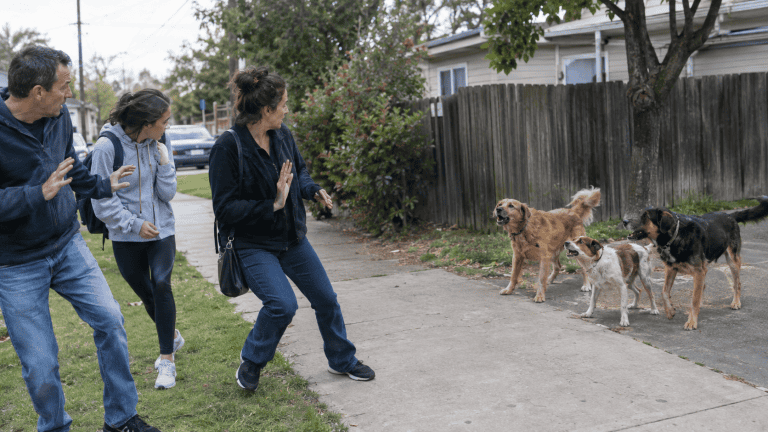
A pack of dogs can cause serious injuries, leaving victims to deal with medical treatment, legal questions, and other consequences....
Read More

One of the first things our clients often say after being hit in a crosswalk is, “I had the right-of-way,...
Read More
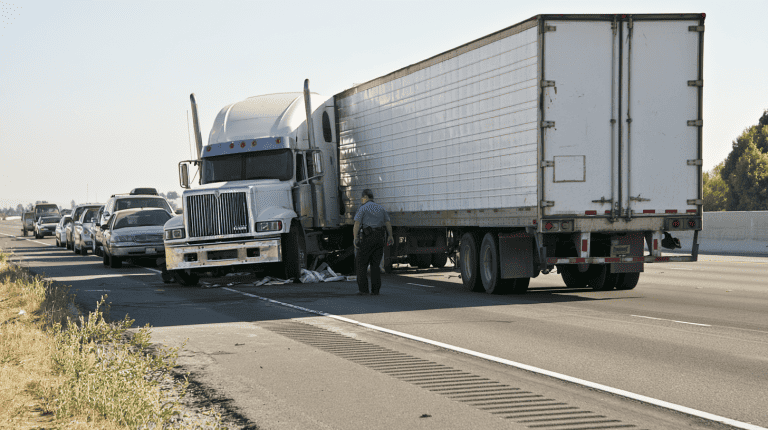
A jackknife truck accident can happen in seconds. When a tractor-trailer suddenly loses control and its trailer swings outward, it...
Read More

After losing a loved one in a fatal accident, families often face difficult questions about medical bills, funeral expenses, lost...
Read More
Partner with our experienced attorneys and take the first step toward justice.
Get Your Free Consultation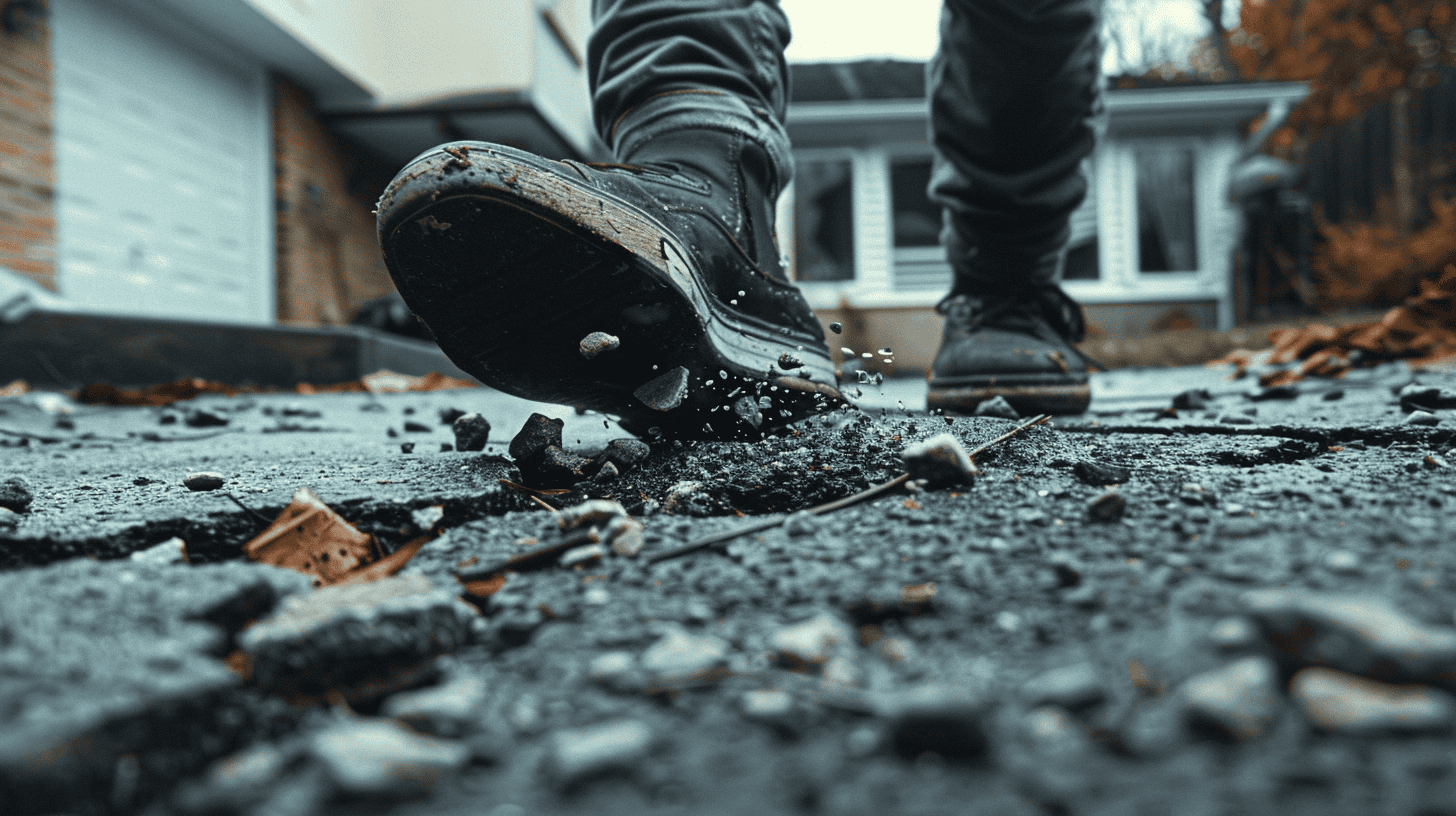
As outlined below, in California, one of three parties could be at fault if someone is injured on your property. In the first instance (owner liability), a homeowners insurance company is financially responsible for damages. The company also has a duty to represent you in court.
Some property owners mistakenly believe that the insurance company has their best interests in mind. True, insurance company lawyers technically represent property owners. But for all intents and purposes, they represent the company. So, in many cases, insurance company lawyers are quick to settle cases and pass the cost onto policyholders, in the form of higher rates.
To help ensure that doesn’t happen, if someone is injured on your property, a consultation with a Los Angeles premises liability law attorney is a good idea. A lawyer who works for you thoroughly evaluates the case and, based on that evaluation, determines a ballpark settlement figure.
Furthermore, many homeowners insurance policies have hidden loopholes. For example, in many cases, if owner negligence prompted a claim, the insurance company will not pay that claim or defend the owner in court. So, many owners need legal representation, not just legal advice. A good Los Angeles premises liability law attorney handles both tasks.
You are at fault if someone is injured on your property if you were negligent. A negligence case begins with a duty of care. Many states use a complex victim classification system to set the standard of care.
But in California, this determination is a bit more straightforward. Instead of one or two factors, courts look at a number of factors, including:
Commercial property owners usually have a high legal responsibility, especially if the business relies heavily on foot traffic. Private property owners often have a lower duty of care, especially if a fence restricts access.
Some private homes have permanent injury hazards, such as swimming pools and large dogs. These owners have a special duty of care to prevent injuries. The court also considers the cost of guarding against the harm and the owner’s control over the property. Landlords often don’t directly control a tenant’s dwelling.
This factor may be the big one. A Los Angeles premises liability attorney can use direct or circumstantial evidence to establish knowledge. Direct evidence of actual knowledge, like a safety citation concerning a swimming pool violation, is the most powerful evidence.
The other three elements of a premises liability negligence case in California are breach, causation, and damages.
Owners breach their duty of care when they fail to meet the standard of care and tolerate injury hazards. Causation is a connection between the breach and the damages. Damages in a premises liability matter usually include medical expenses, lost wages, and emotional distress. 465
California, like most other jurisdictions, is a comparative fault state. Therefore, in some cases, premises liability victims could be legally responsible for their own injuries.
A trip and fall over an open and obvious hazard, such as an uneven sidewalk, is one example. Everyone, injury victims and property owners alike, has a duty of care at all times. Victims cannot ignore avoidable hazards then blame property owners for their injuries.
However, this comparative fault defense is complex. An uneven walkway may be open and obvious to most people, but not to older people who don’t see well, especially if the light is poor, and/or shuffle their feet when they walk.
Similarly, dog owners are not legally responsible for injuries if the victim provokes the animal. In California, provocation is an intentional and (usually) a physical act.
People cannot accidentally provoke dogs by making loud noises or quick movements. Furthermore, in most cases, mere teasing doesn’t count. The victim must inflict so much physical pain on the animal that it must react violently to defend itself.
The assumption of the risk defense often applies in dog bite cases as well. If the owner displayed a “Beware of Dog” sign, the victim is liable for injuries if the victim:
Assumption of the risk is also a defense in falls (“Caution Wet Floor”) and swimming pool injuries (“No Lifeguard On Duty”).
We mentioned property owner control above. Frequently, a landlord is legally responsible for on-premises injuries. Assume an apartment complex forbids rottweilers. The apartment manager doesn’t aggressively enforce the rule. If a rottweiler bites someone, the apartment complex may be liable for damages.
The same principle (respondeat superior, or let the master answer) could apply if a daycare teacher allows children to play near a strange dog.
Premises liability claims are very complex. For a free consultation with an experienced premises liability law attorney in California contact the Law Offices of Eslamboly Hakim. Virtual, home, and hospital visits are available.
We’re here to ease your stress and guide you through every step of recovery.
Get Support NowNo. To hold an owner liable in California, you must prove they were negligent. This usually means proving the owner knew (or should have known) about a hazard such as a spill, a broken step, or poor lighting and failed to fix it or warn you about it. If the hazard was “open and obvious,” your own liability may reduce your compensation.
California follows a “Pure Comparative Fault” rule. This means you can still recover compensation even if you were partially responsible for the accident. For example, if a jury decides you were 25% at fault for being distracted and the owner was 75% at fault for a dangerous floor, your total settlement will simply be reduced by 25%.
Photos of the hazard, surveillance footage, witness statements, medical records, inspection reports, and prior complaints can all help establish liability.
Depending on the severity of the injury, victims may be able to recover compensation for medical expenses, lost income, pain and suffering, emotional distress, and future treatment costs.
Generally, yes. Most homeowners insurance policies include liability coverage that pays for medical bills and legal defense if someone is injured on your property. However, many policies have “loopholes” for certain types of negligence or intentional acts. It is vital to have an independent attorney review your policy to ensure the insurance company doesn’t unfairly deny your claim.
Tag:
I like the fight – the fight to hold Big Insurance accountable, the fight to find justice for real people, and the fight to level the playing field for...Read More
